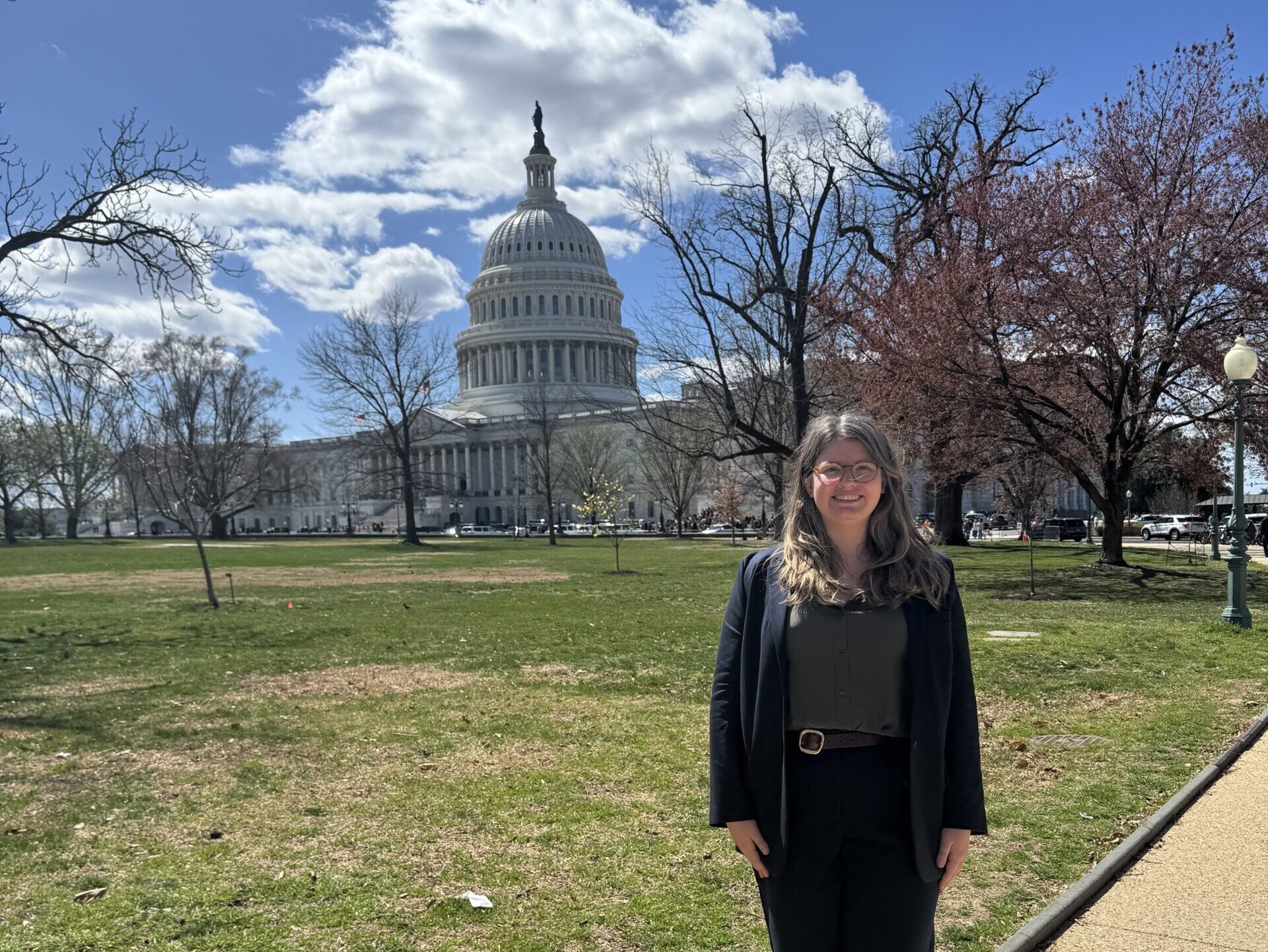
From campus to the halls of Congress: One ESA Graduate Student Policy Awardee describes her experience
GSPA awardee Sarah Cuprewich shares her perspective on science policy and what it was like to participate in this year’s events.
GSPA awardee Sarah Cuprewich shares her perspective on science policy and what it was like to participate in this year’s events.

Call or email your senators and ask for strong funding levels for science agencies.

Is environmental consulting a viable path for a person who will soon graduate with a doctorate? Does having a PhD make you overqualified to certain jobs?

Q: What specific skills should I focus on developing during my time as a graduate student to be competitive in environmental consulting?
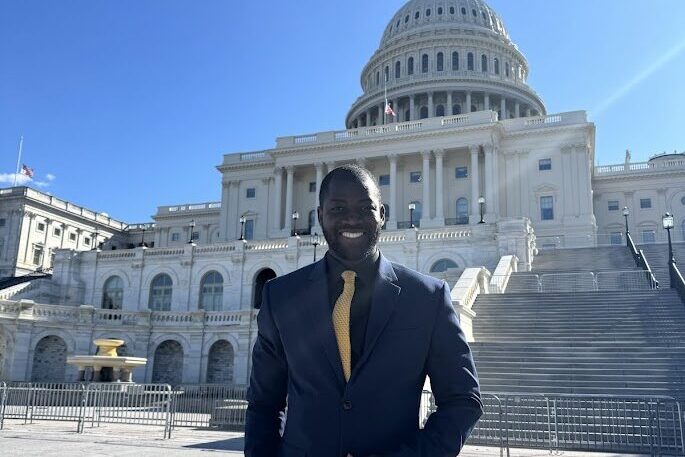
GSPA Awardee Raymond Erskine shares his perspective on science policy and what it was like to participate in this year’s events.

Dear ESA Members, We, as Governing Board Members of ESA, in light of current events in our nation, with impacts that affect all of us locally and globally, write to you today to offer encouragement and to assure that there is a path forward.

Q: Do you have any tips for getting your foot in the door in the environmental consulting world after graduating from undergrad?

Q: Are there certain job boards other than the ECOLOG or Conservation Job Board you would recommend?
Call your Congressperson in the House of Representatives or send a short email asking them to request robust funding for federal science agencies.
President Trump’s FY26 budget request cuts research accounts across federal agencies that would devastate America’s scientific enterprise.
Earlier this month, the United States Fish and Wildlife Service and the National Marine Fisheries Service proposed a new rule that could limit the scope of Endangered Species Act protections. The agencies are accepting public comments on the proposed rule change until May 19, 2025. Background: Currently, the Endangered Species Act prohibits certain actions that “harass, harm, pursue, hunt, shoot,…
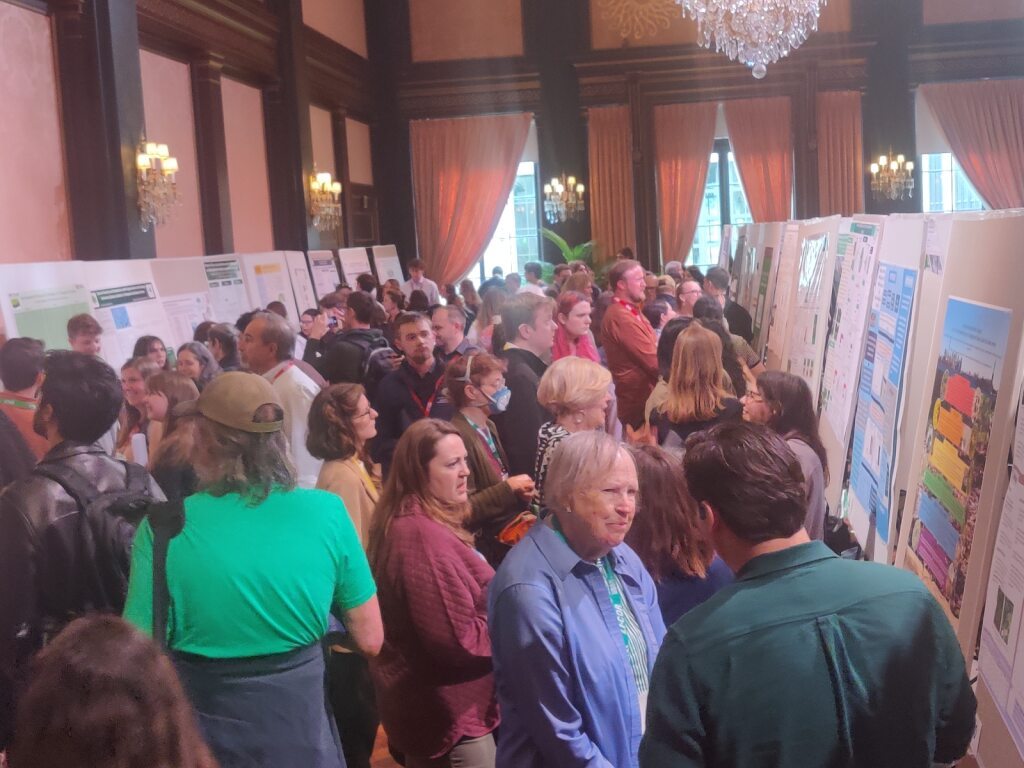
Contributed by ESA Mid-Atlantic Chapter Chair Lea Johnson On April 5, nearly 300 ecologists—faculty, students, and practitioners—gathered at Longwood Gardens for what we’re told may have been the largest meeting of ESA’s Mid-Atlantic Chapter in its decades-long history. As chair of the regional chapter for the year, I was also chair of the meeting – so the enthusiastic participation this…