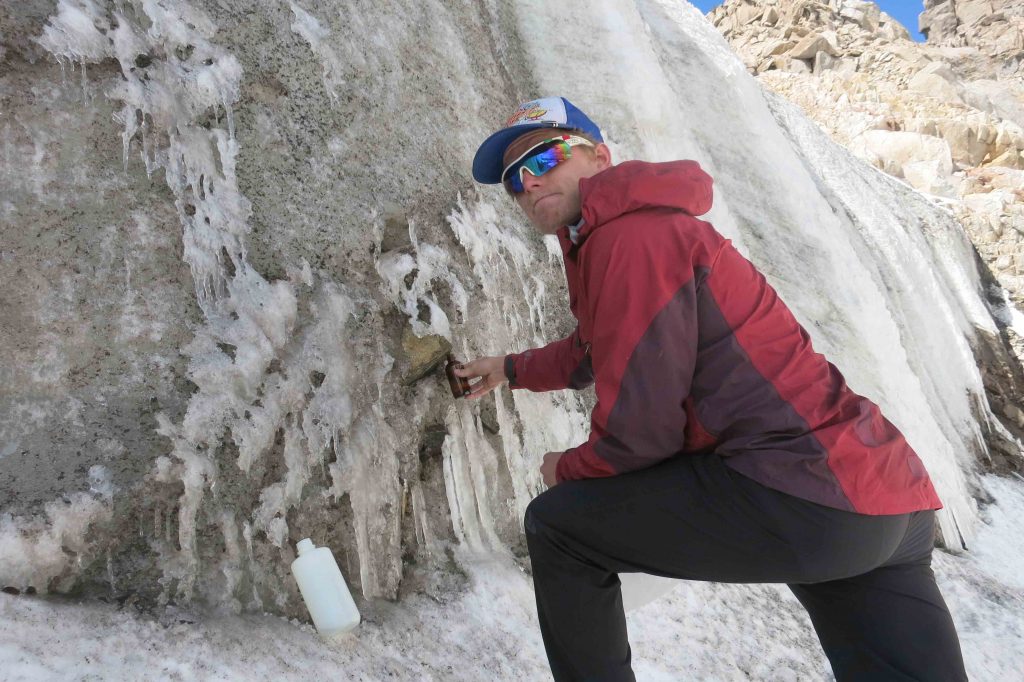
Tim Fegel
ESA presents the Murray F. Buell  and E. Lucy Braun Awards for an outstanding research talk Read more
ESA's Commitment to Human Diversity Award recognizes long-standing contributions of an individual towards increasing the Read more

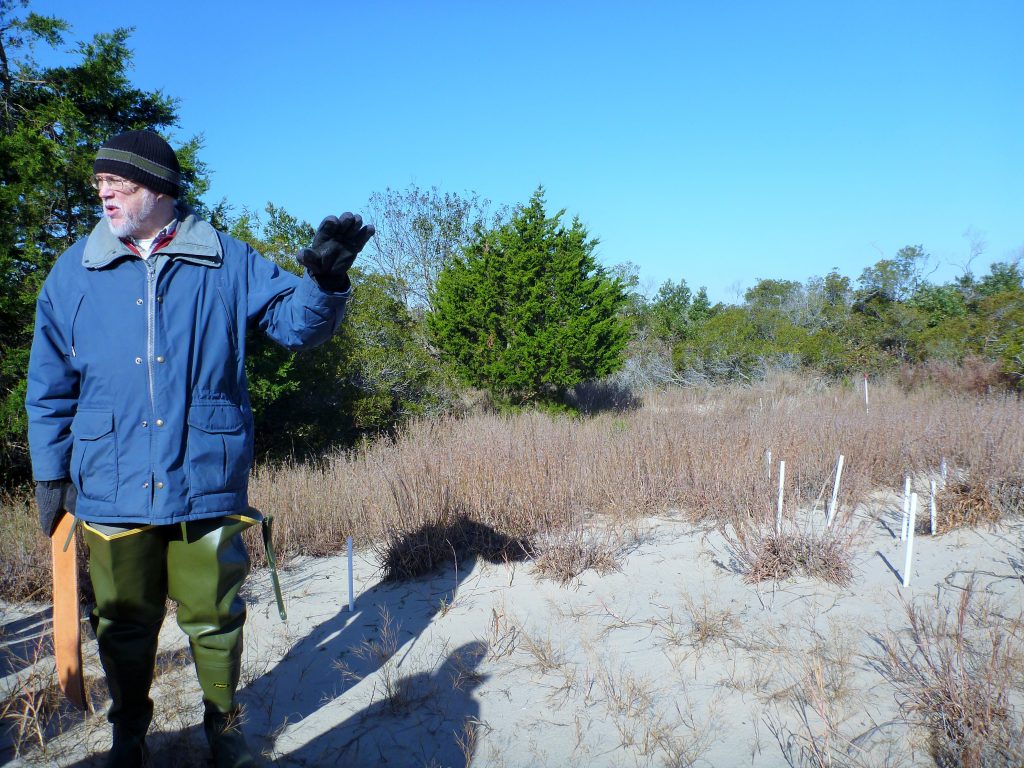
Katya Wowk
Innovation in Sustainability Science Award honors Ariana E. Sutton-Grier, Kateryna Wowk, and Holly A. Bamford. The Read more
Clearly defining ‘restoration’ in law. Though mandates like the Clean Water Act have been powerful tools for instituting environmental protections in the United States, loose legal definitions of “restoration” mean that few mitigation projects install whole, functioning, and self-sustaining ecosystems. An Appalachian project with the narrow goal of restoring stream flow after mountaintop mining, for example, (left) delivers few of the resources of the natural ecosystem that was lost (right). Likewise, programs aimed at recovery of endangered species do not necessarily prioritize functional ecosystem recovery. Palmer and Ruhl examine the scientific and (U.S.) legal bases for ecological restoration and how the two may be more fruitfully unified in “Aligning restoration science and the law to sustain ecological infrastructure for the future,” on page 512 of this issue. Photo credit: E Bernhardt.
Laws allowing open interpretation of ecological restoration undermine sound science in the recovery of self-sustaining Read more
Margaret Palmer
The Sustainability Science Award recognizes the authors of the scholarly work that makes the greatest Read more