2021-2023
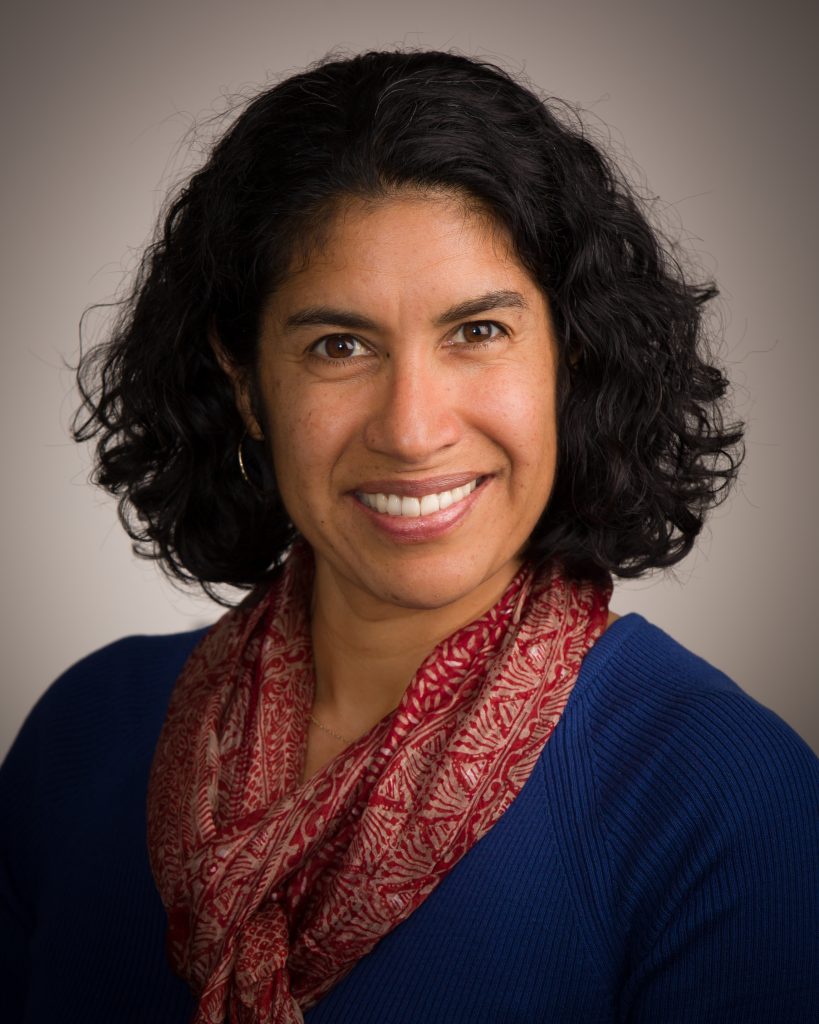
Dr. Na’Taki Osborne Jelks – Assistant Professor, Department of Environmental and Health Sciences, Spelman College, Atlanta, GA.
Dr. Jelks obtained her Ph.D. in 2016 from Georgia State University. Dr. Jelks investigates urban watershed management; environmental health disparities; cumulative risk assessment; the impact of climate change on vulnerable populations; and the connection between urban watersheds, pollution, the built environment and health. She also develops, implements and evaluates community-based initiatives that set conditions to enable low-income and communities of color to empower themselves to restore urban watersheds and improve environmental quality, reduce exposure to environmental health hazards and enhance human health and quality of life.

Dr. Theresa Wei Ying Ong – Assistant Professor, Department of Environmental Studies and Ecology, Evolution, Environment and Society, Dartmouth College, Hanover, NH.
She obtained her Ph.D. in 2017 from the University of Michigan and is an agroecologist who combines theory with empirical work in agricultural systems to understand how complex interactions between the environment, organisms and people influence food production and ecosystem stability. Dr. Ong uses techniques from complex systems and theoretical ecology to understand how sustainable agricultural systems and the ecological communities within them are maintained under social and environmental stress.
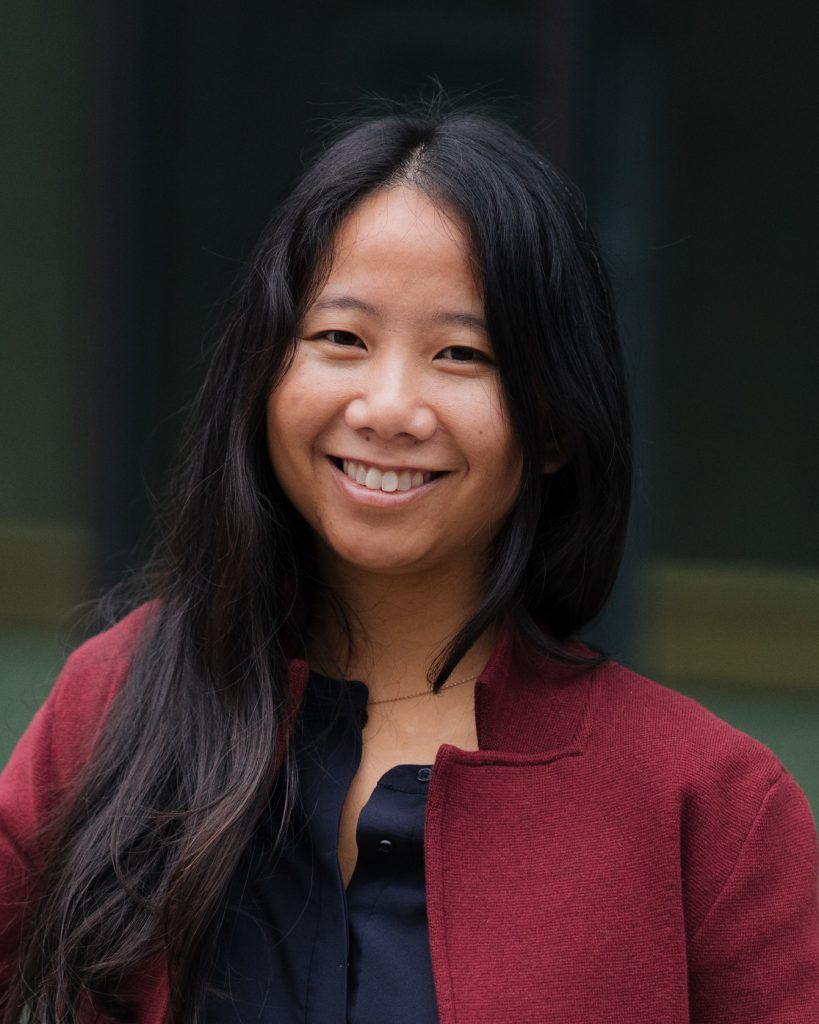
Dr. Adriana Lucia Romero-Olivares – Assistant Professor, Department of Biology, New Mexico State University, Las Cruces, New Mexico.
Dr . Romero-Olivares obtained her Ph.D. in 2017 from the University of California, Irvine. She is a soil microbiologist who works at the intersection of ecosystem ecology and evolution with an emphasis on fungi, and is interested in understanding how fungi respond and adapt to environmental stress, to better understand and plan for ecosystem-scale effects of global climate change.
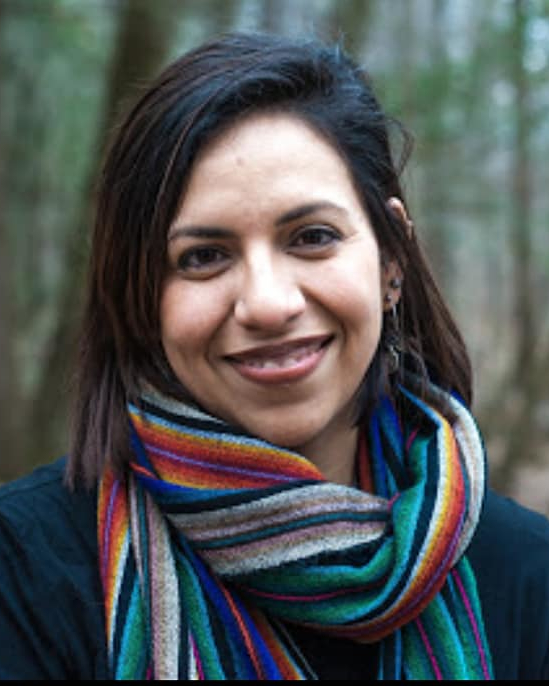
Dr. Erika S. Zavaleta – Professor, Department of Ecology and Evolutionary Biology, University of California, Santa Cruz. She obtained her Ph.D. in 2001 from Stanford University.
Zavaleta’s research focuses on global change ecology, conservation justice and addressing racial disparities in science. Her research tackles the effects of biodiversity and climate changes on ecological and sociocultural systems, and the effectiveness of conservation under rapid global changes and of programs that address racial disparities in science and conservation.