2025-2027
Dr. Gabriela Garcia – Assistant Professor, Marine and Environmental Sciences and Public Policy at Northeastern University.
Dr. Garcia leads the Socio-ecological Systems Dynamics Lab. Her research examines how interactions between a system’s ecological and human dimensions influence ecosystem processes and human well-being in the context of global change. With a focus on smallholder agriculture, much of her work is positioned at the intersection of today’s biodiversity, food security, and climate crises. Her research group holds reciprocity and community engagement as core principles of their work. Dr. Garcia received her PhD in 2022 from Tufts University with support from an NSF Graduate Research Fellowship, NSF Socio-environmental Synthesis Center Fellowship, and GEM Fellowship, among others. Before joining the faculty at Northeastern University, she was a Fulbright-García Robles Postdoctoral Scholar at the Universidad Nacional Autónoma de México. Dr. Garcia is also an award-winning mentor and community-builder for scholars with underrepresented identities.
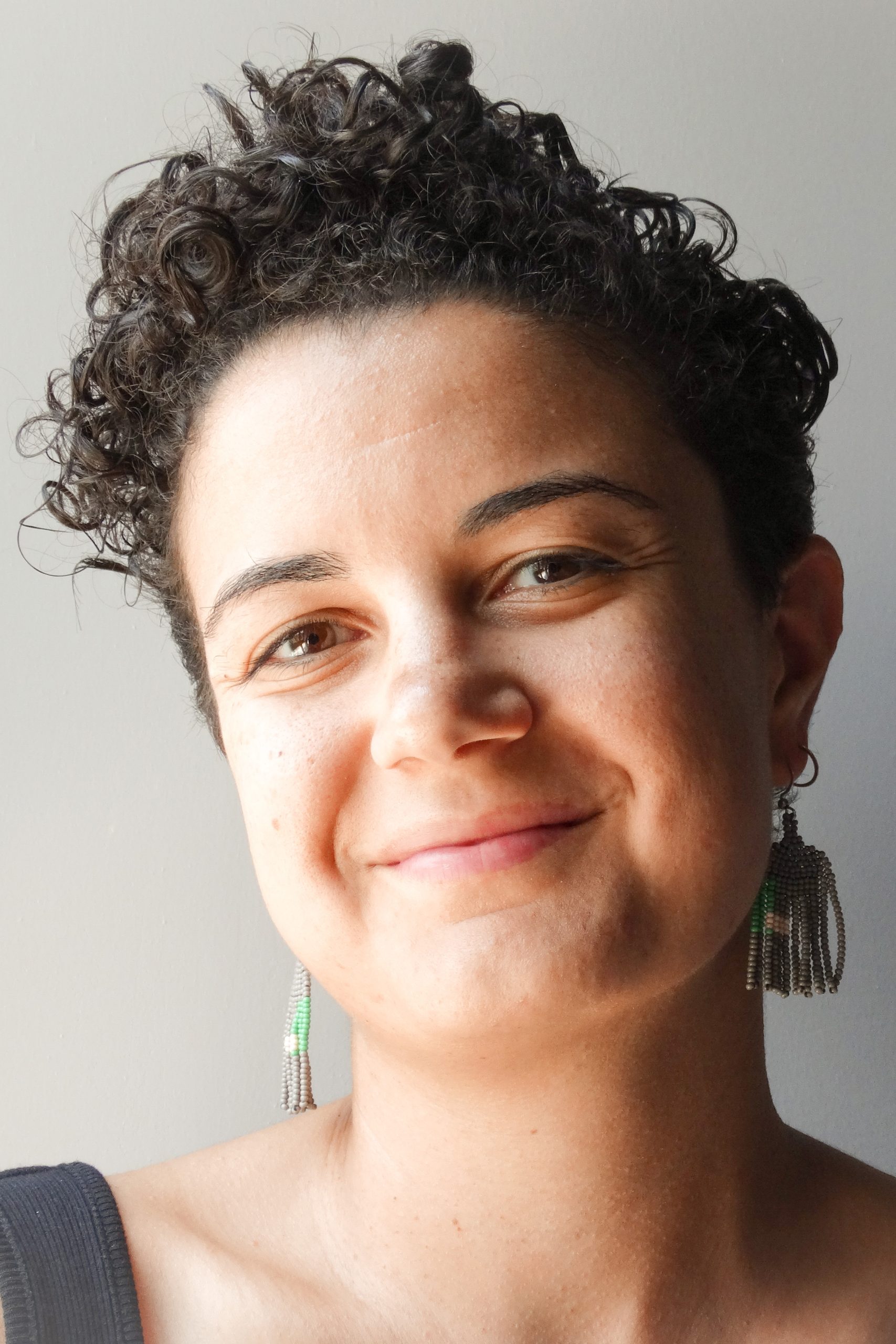
Photo by by Javiera Garcia
Dr. Elvira D’Bastiani – Postdoctoral Researcher, University of California, Los Angeles
Elvira is a quantitative ecologist focused on understanding the ecological and evolutionary dynamics of infectious diseases. She earned her B.Sc. in Biological Sciences from Universidade Estadual do Paraná and her M.Sc. and Ph.D. in Ecology and Conservation from Universidade Federal do Paraná, Brazil.
Her research integrates ecology, evolutionary history, network science, mathematical modeling, natural history, and empirical data to deepen our understanding of host-parasite and host-pathogen systems.
Her current projects explore how spillover events shape the eco-evolutionary dynamics of host-pathogen interactions. Beyond her research, Elvira is dedicated to promoting inclusivity in ecological science through initiatives like the “Women in Ecology” project. Passionate about science and academia, she is dedicated to empowering women, challenging traditional structures, and fostering a more inclusive and equitable environment.
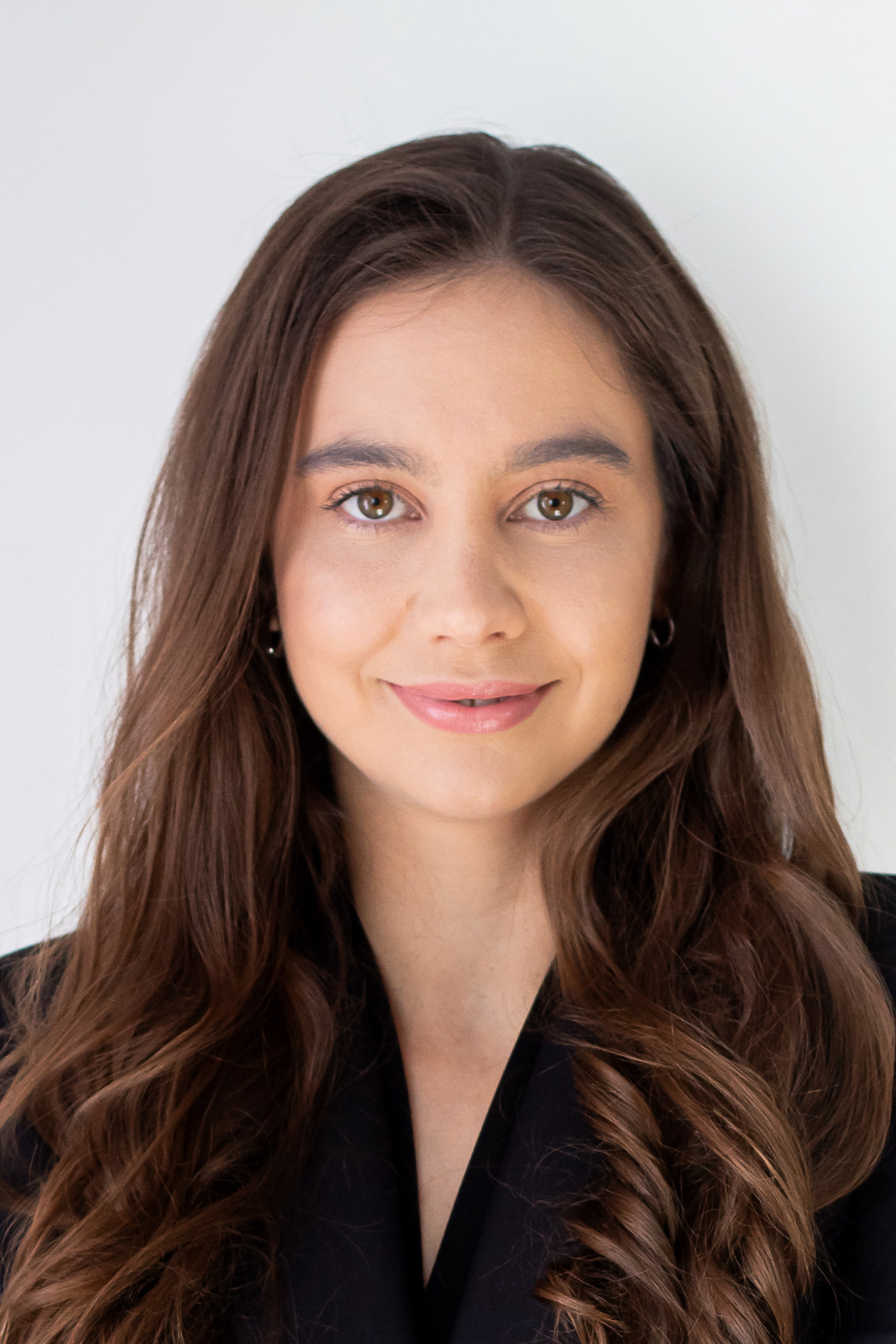
Photo courtesy of Elvira D’Bastiani
Dr. Camille Griffith – Assistant Professor, Oglala Lakota College
Camille is a member of the Oglala Lakota Nation and a wildlife ecologist. She received her M.S. in Integrative Genomics from Black Hills State University and her Ph.D. in Wildlife Science from Purdue University. Her research integrates Lakota knowledge with Western science to address environmental and social challenges, focusing on Native American self-determination and empowering Native communities. At Oglala Lakota College, she manages the Natural History Collections, serves on research review boards and advocates for tribally owned, accessible data storage. She mentors students in ecological modeling for projects including Tinpsila (prairie turnip) conservation, reservation dog population monitoring and mapping culturally significant Reservation sites. Her research initiatives amplify Lakota voices in STEM through elevating community-driven, culturally relevant solutions to environmental challenges.

Photo by Adryan Short
Dr. Estelí Jiménez-Soto – Assistant Professor, University of South Florida
Jiménez-Soto is a Mexican agroecologist with an M.A. and Ph.D. from the University of California Santa Cruz’s Environmental Studies program. Her research lies at the intersection of biodiversity conservation, agriculture and food sovereignty, and draws from a variety of disciplines and concepts including community ecology and political ecology. Much of her work takes place in Latin America, particularly in Chiapas, Mexico, where she studies insect communities and nature-human relationships in coffee plantations. She also works with community gardens in Tampa, Florida, to explore similar questions in urban settings. Through her work, she builds alliances among scholars, farmers, students and social movements to foster a more sustainable and just food system. Her goal is to be an inspiration for other women and minorities in ecology through her research, teaching and leadership roles at ESA.
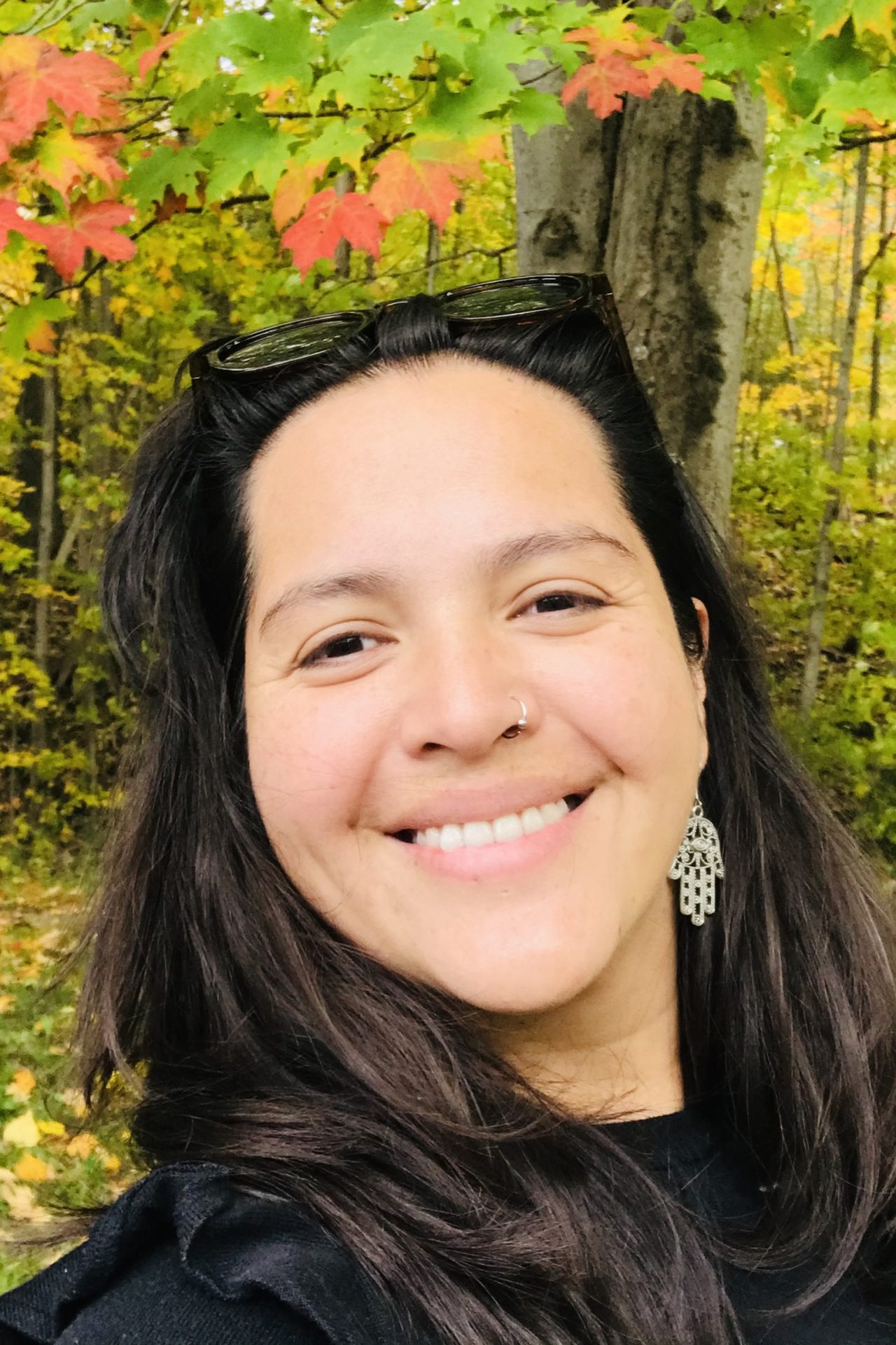
Photo courtesy of Estelí Jiménez Soto