October research news from the Ecological Society of America
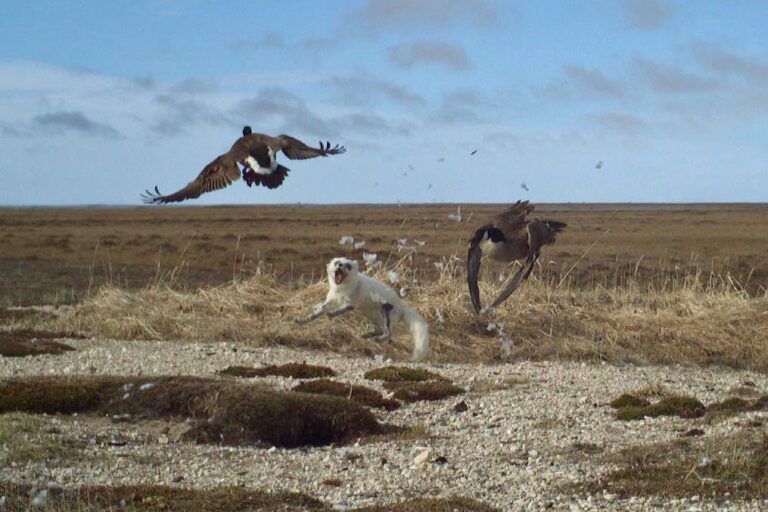
Unexpected links between Arctic land and sea, what happened after a major sea star die-off and more from ESA’s journals.
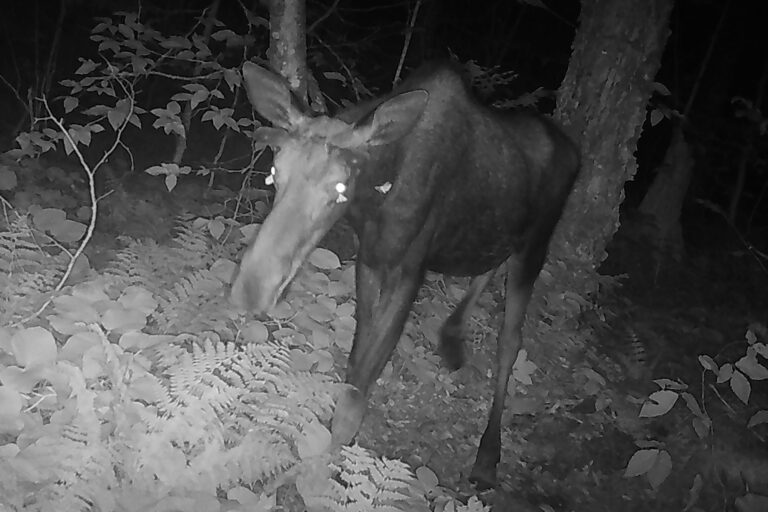
A first-time observation of moths drinking a moose’s tears, the expansion of peat patches across Alaska’s North Slope and more from ESA’s journals.
Read More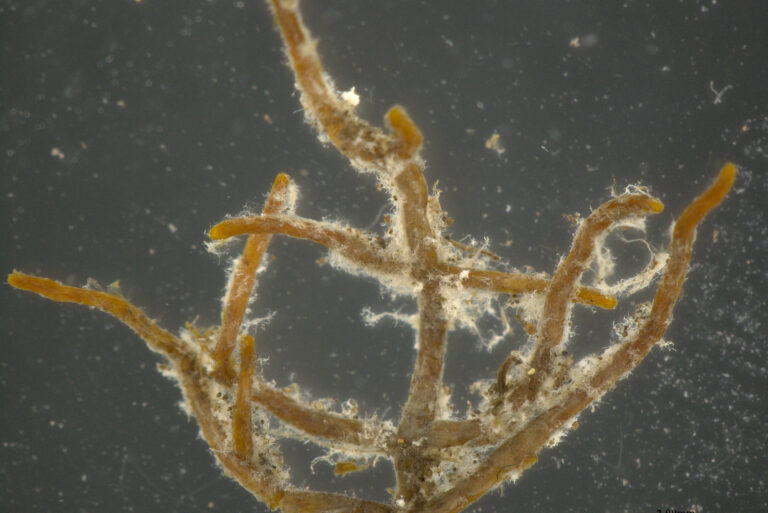
Urban pollinator navigation, the relationship between aging tree roots and soil fungi and more from ESA’s journals.
Read More
Tiger conservation, plant-fungal networks in the Arctic and more from ESA’s journals.
Read More Unexpected links between Arctic land and sea, what happened after a major sea star die-off and more from ESA’s journals.

The role of the arts in narrating environmental stories, nighttime cooling in urban parks and more from ESA’s journals.
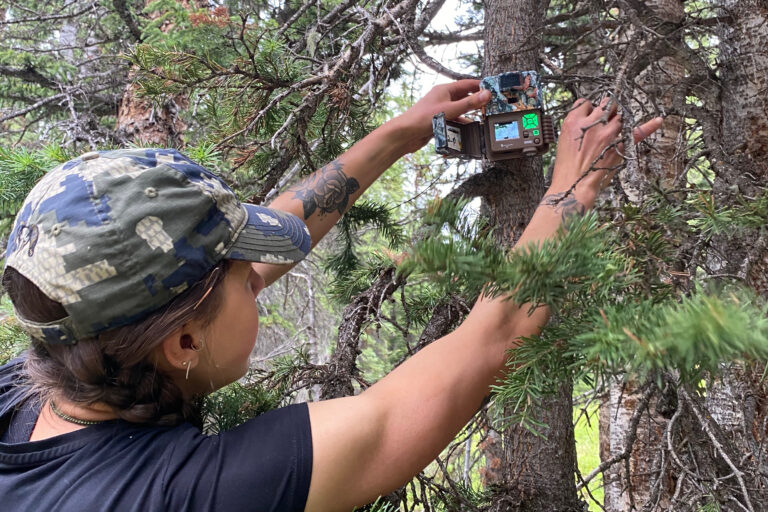
How wild ungulates react to hiking trails, the key to invasive plants’ success and more from ESA’s journals.
At the ESA Annual Meeting in Baltimore, Md., urban ecology will be front and center — fitting for a city that has long been a hub for research on nature in urban environments.
With this year’s Annual Meeting taking place in Baltimore, Maryland, research on the Chesapeake Bay and its watershed takes on special relevance.
ESA’s upcoming Annual Meeting in Baltimore, Md., Aug. 10–15, features a diverse array of talks and posters showcasing the latest applications of AI in ecology.
Symposia will be a focal point of ESA’s upcoming Annual Meeting in Baltimore, Maryland, Aug. 10-15, addressing the frontiers of ecological research, wetland restoration in the Chesapeake Bay Watershed, deep soil carbon storage and much more.
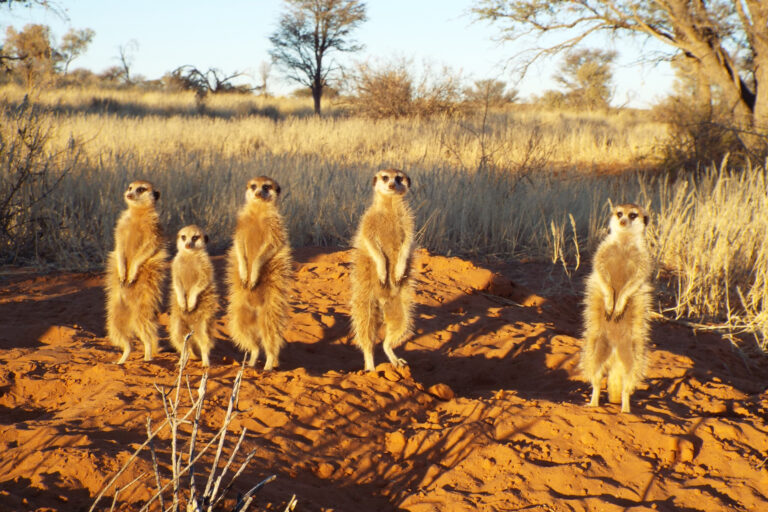
How meerkats cope with heat and drought, the process turning dryland ecosystems from methane sinks into methane sources and more from ESA’s journals.
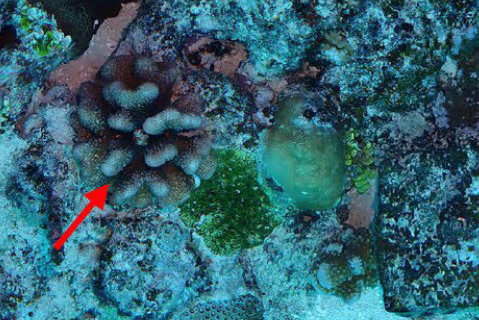
Using historical nursery catalogs to predict plant invasion, incorporating animal communities into assessments of ecosystem health and more from ESA’s journals.
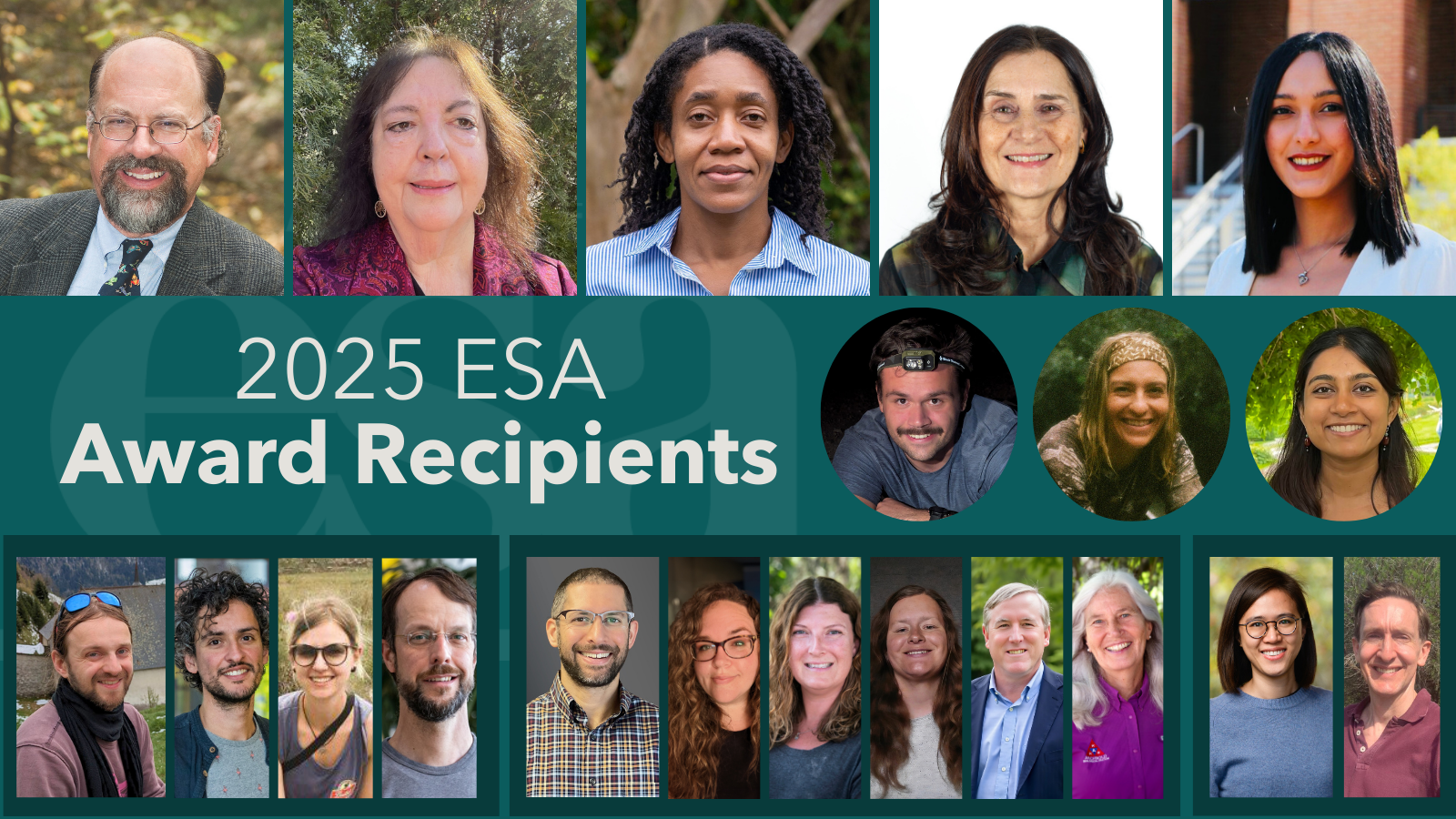
The Ecological Society of America is pleased to announce the winners of its 2025 awards, which recognize outstanding contributions to ecology in new discoveries, teaching, sustainability, diversity and lifelong commitment to the profession.

ESA is honored to announce a generous bequest from the estate of the late Dr. Diana Harrison Wall, former ESA President.
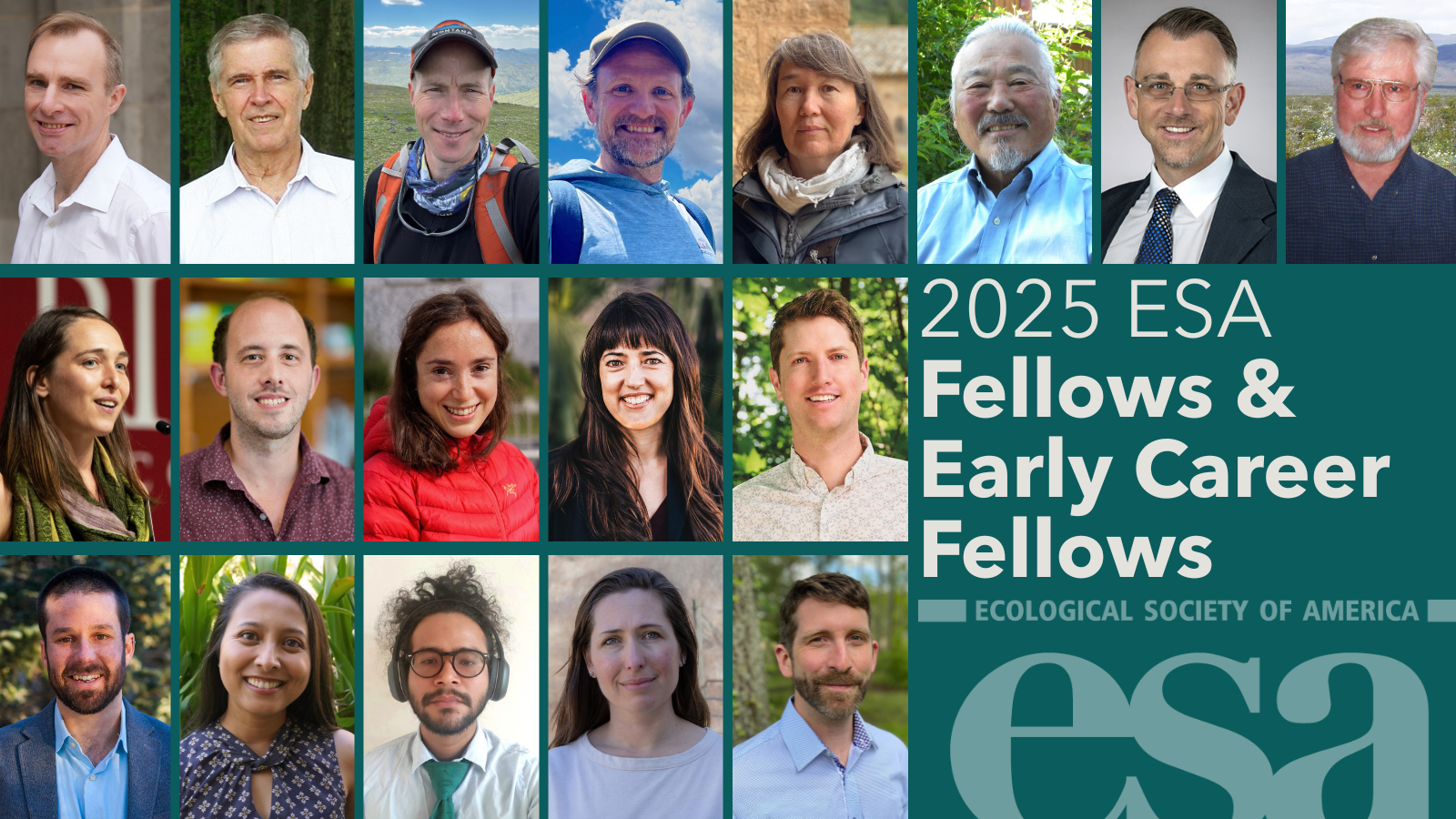
The Ecological Society of America is pleased to announce its 2025 Fellows. ESA’s fellowship program recognizes the many ways in which its members contribute to ecological research, communication, education, management and policy.
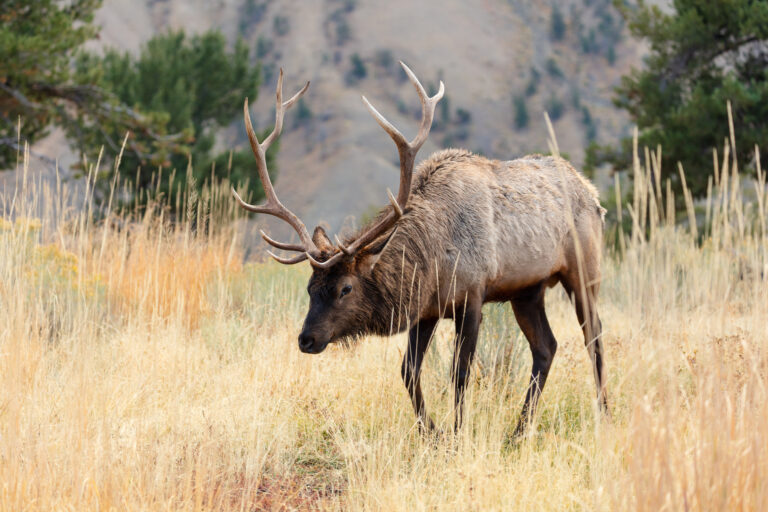
Linking elk pregnancy to elk “foodscapes”, climate impacts on bee gut microbiomes and more from ESA’s journals.
The Ecological Society of America is convening August 10-15 for its 2025 Annual Meeting in Baltimore, Maryland.
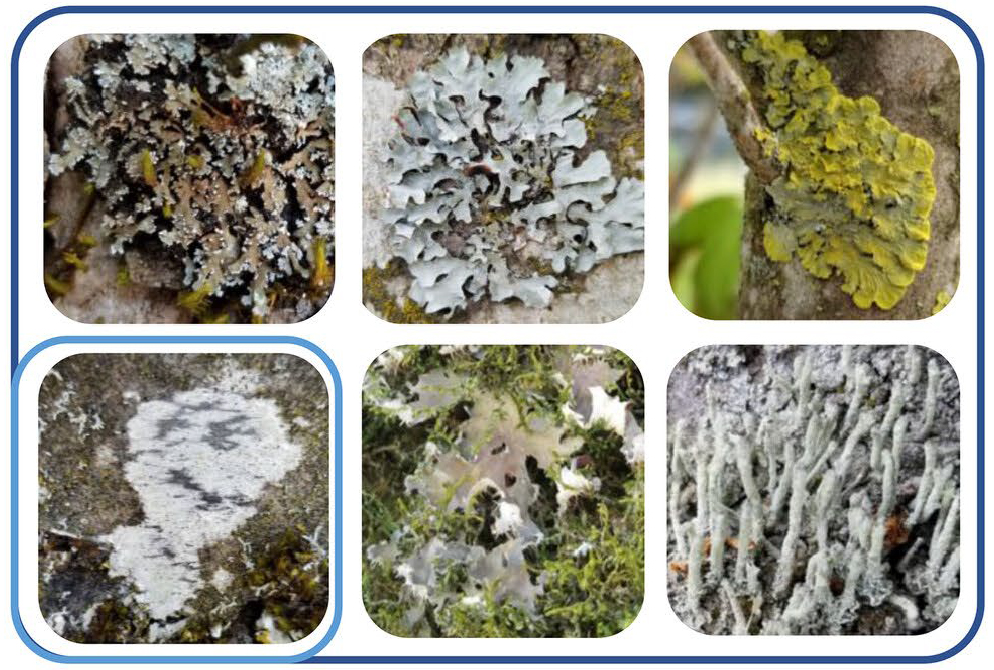
Overlooked city lichens, what traditional ecological knowledge can teach us about modern forestry practices and more from ESA’s journals.

The award provides graduate students with science policy training and the opportunity to meet with congressional policymakers on Capitol Hill.

How beetles make wood more burnable, the impact of nighttime illumination on animals and more from ESA’s journals.