August research news from the Ecological Society of America
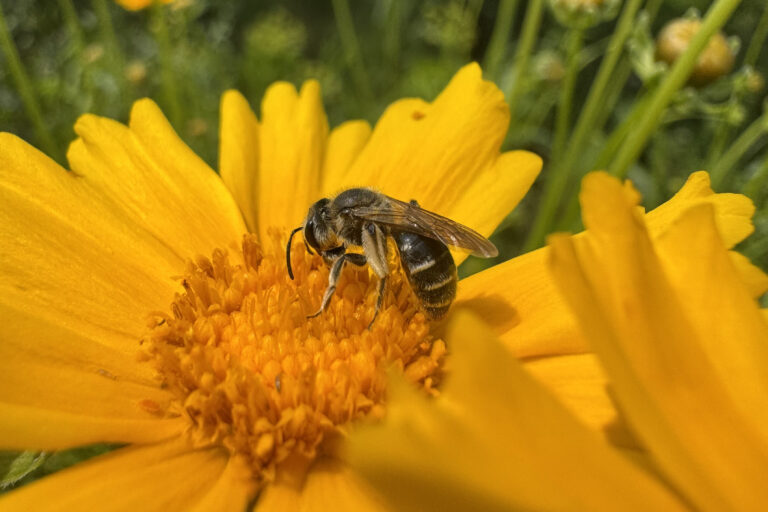
The mishmash of regulations surrounding invasive species, bee-boosting strategies for urban farms and more from ESA’s journals.
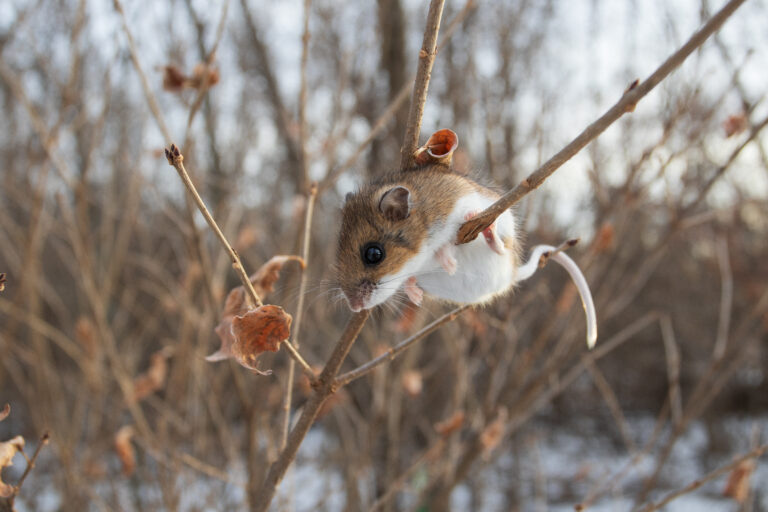
How habitat disturbance can make wild mice stressed and sick, the risk to Maryland marshes as seas rise and more from ESA’s journals.
Read More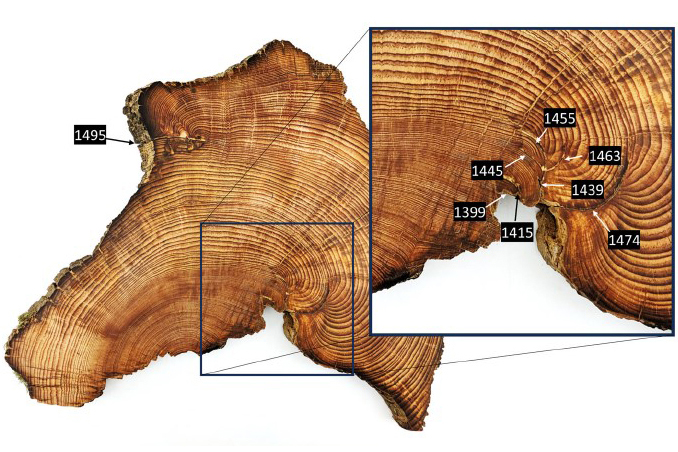
The lasting impact of historical events on New Mexico fire regimes, using sea slugs as ecological ambassadors and more from ESA’s journals.
Read More
Where giant salamanders sit in the food web, the conservation value of China’s fengshui forests and more from ESA’s journals.
Read More The mishmash of regulations surrounding invasive species, bee-boosting strategies for urban farms and more from ESA’s journals.
The partnership will offer an interactive learning experience a group of ESA members interested in building their local civic engagement skills.

At this year’s ESA Annual Meeting, researchers will present new findings on the ecological relationships between wildlife, their habitats and the growing influence of human activities across terrestrial, freshwater and marine ecosystems.
ESA’s upcoming Annual Meeting in Salt Lake City, July 26–31, features the latest research on how wildfire is transforming ecosystems and influencing wildlife, as well as strategies to reduce the risks of severe fire.
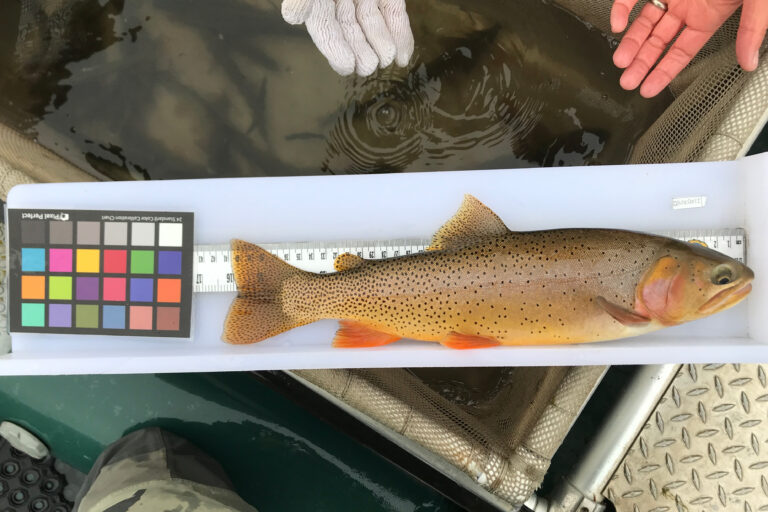
The origins of Snake River trout, a simple means of improving prairie restoration and more from ESA’s journals.
At the ESA Annual Meeting in Salt Lake City, presentations across the program will examine how ecologists are adapting AI technologies for use in the study and stewardship of natural systems.
As scientists gather in Salt Lake City for this year’s ESA Annual Meeting, many presentations will focus on the ecological challenges and opportunities facing the Intermountain West.

The use of historical art to see ecosystems of the past, owls as a pest-control strategy and more from ESA’s journals.
The Ecological Society of America is convening July 26-31 for its 2026 Annual Meeting in Salt Lake City, Utah.
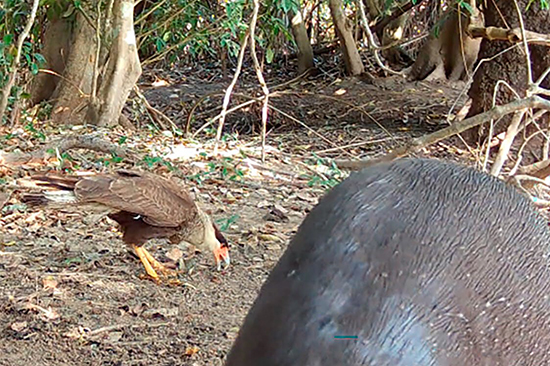
Modeling airplane-bird collisions, visitors to giant otter latrines in Brazil and more from ESA’s journals.

The Ecological Society of America announces its 2026 award recipients, honoring ecologists whose research, teaching, mentorship and leadership have advanced ecological science and its benefits to society.
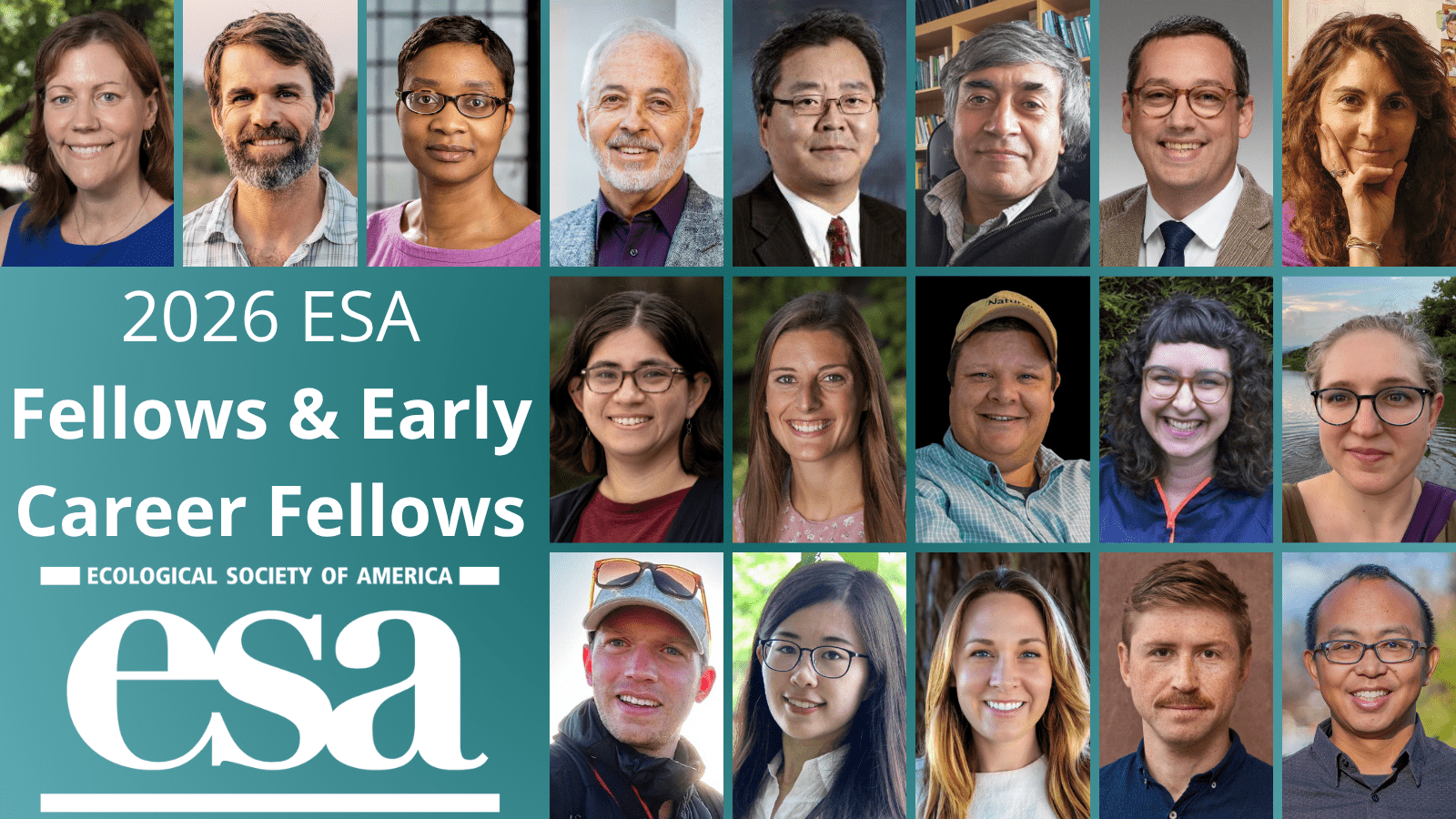
The Ecological Society of America is pleased to announce its eight new Fellows and ten new Early Career Fellows.
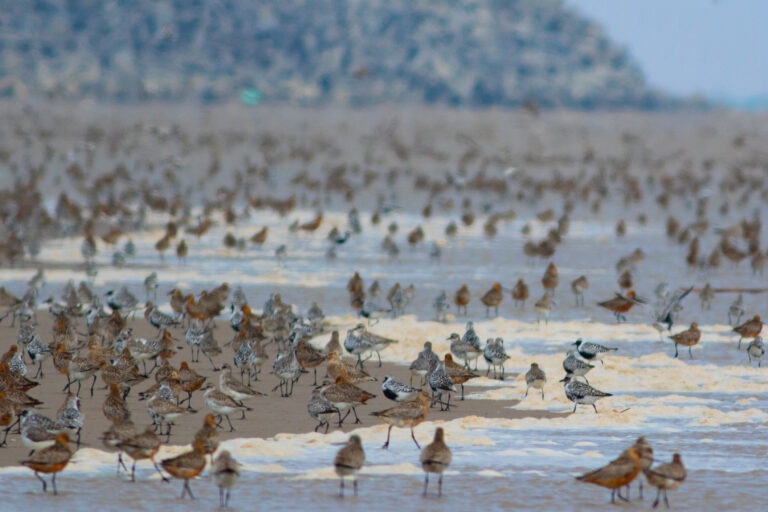
Supply and demand along birds’ migration routes, beaver impacts on tundra ecosystems and more from ESA’s journals.
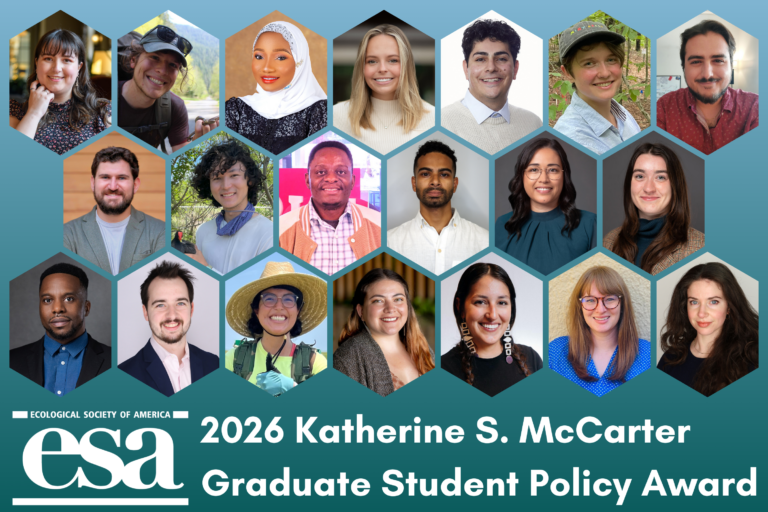
Twenty graduate students make up this year’s cohort of Katherine S. McCarter Graduate Student Policy Awardees.

Adrienne Sponberg will be ESA’s next executive director, bringing over 25 years of executive-level association experience to the role.
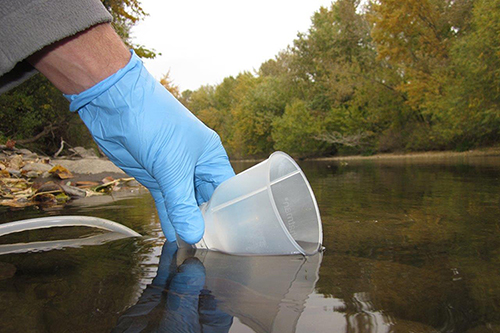
How rainstorms reshape the trail of environmental DNA in streams, how newcomers to an ecosystem do not always gain an edge from escaping their old enemies and more from ESA’s journals.
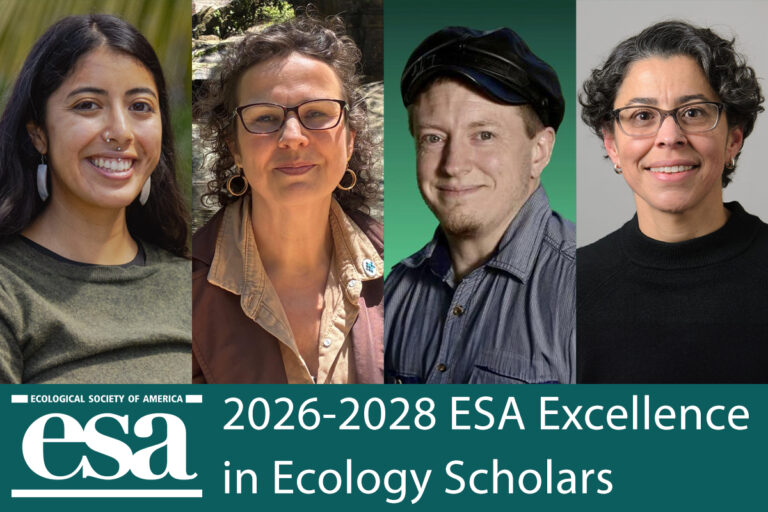
This prestigious scholarship program celebrates and supports outstanding early- to mid-career Ph.D. ecologists.