
ORNL-led team recognized for impactful sustainability research
A 2017 study from ORNL that shows the far-reaching impacts of U.S. cities’ energy consumption on regional ecosystems has received the 2021 Sustainability Science Award from ESA.
A 2017 study from ORNL that shows the far-reaching impacts of U.S. cities’ energy consumption on regional ecosystems has received the 2021 Sustainability Science Award from ESA.

A team of researchers led by scientists at the University of Florida has developed new decision-making tools to help park managers put a dent in the multibillion-dollar illegal wildlife trade while staying within their budgets.

Joshua Lawler, a University of Washington professor in the School of Environmental and Forest Sciences, has been named a 2021 fellow of ESA.

ESA has chosen Erika Zavaleta, professor of ecology and evolutionary biology at UC Santa Cruz, to receive our 2021 Commitment to Human Diversity in Ecology Award.
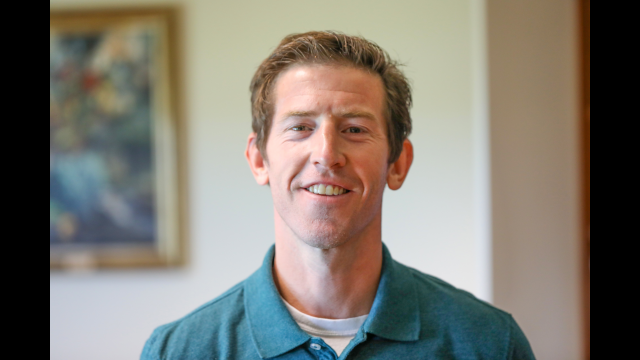
Ryan A. McManamay, Ph.D., assistant professor of environmental science at Baylor University, is among the recipients of the Sustainability Science Award announced today by the ESA.

University of Hawaiʻi at Hilo biology professor Rebecca Ostertag has been elected a 2021 fellow of the nation’s largest organization of professional ecologists.
In a study published in the journal Ecological Applications, a Duke-led team mined 35 years of satellite images of a 245,000-acre area in the state’s Albemarle-Pamlico Peninsula.

A faculty-undergraduate research team from William & Mary documented cannibalism amongst juvenile sea stars.

A study conducted by a group of 10 environmental scientists, including Matthew Troia, assistant professor of environmental science at UTSA, was awarded ESA’s 2021 Sustainability Science Award.

ESA’s George Mercer Award has been awarded to Brit Laginhas, a first-year student at North Carolina State University’s Geospatial Analytics Ph.D. program, and her coauthors.

Visiting Assistant Professor of Environmental Studies Caitlin McDonough MacKenzie coauthored a new paper titled “Trends in ecology and conservation over eight decades” published in the journal Frontiers in Ecology and the Environment.

Ecologist Desirée L. Narango of Umass Amherst won the Early Career Award from ESA—an award given to junior researchers who “have advanced ecological knowledge” and show “promise of continuing to make outstanding contributions” in the field of ecology.

Brendan Bohannan, University of Oregon biology professor, has been named a fellow by the Ecological Society of America.

Jennifer Sunday named Early Career Fellow by ESA for her research examining how species and ecosystems respond to climate change.

A new study published this month (March 2021) in the journal Ecological Applications reveals that migratory habitat for the Whooping Crane is being gradually reduced by wind energy development.

Dr. Stefan Schnitzer, Mellon Distinguished Professor of Plant Community and Tropical Forest Ecology, and Dr. Nathan Lemoine, assistant professor of trophic and quantitative ecology, in Marquette University’s Klingler College of Arts and Sciences have been named fellows by the Ecological Society of America.

University of Georgia professor Pejman Rohani and alumnus Shuijin Hu are among a group of distinguished scientists elected Fellows of the Ecological Society of America in 2021, the organization announced March 25, 2021.

Biologists including Eleanor Pardini at Washington University in St. Louis have discovered that climate change represents a specific extinction threat for an endangered coastal lupine plant.

On Thursday, March 25, Dr. William Morris of Duke University was named a 2021 Fellow of the Ecological Society of America. Morris’ research focuses on understanding how plants and the insects that eat and pollinate them respond to climate change.

The Ecological Society of America (ESA) has added Pedro Peres-Neto, professor in Concordia’s Department of Biology, to its esteemed list of fellows.