

Biography
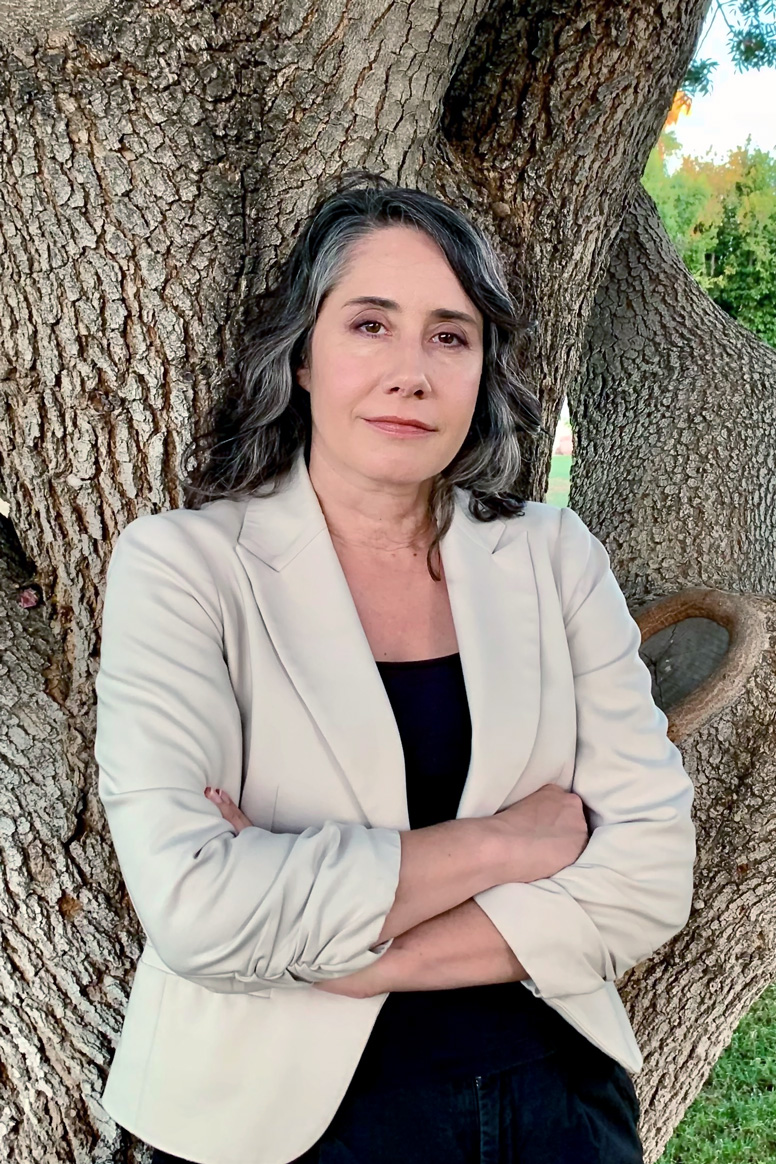
Dr. Diane Pataki serves as the Chief Scientist and Vice President for Science of the National Wildlife Federation. Trained as an ecologist, her work has spanned the impacts of climate change on ecosystems, the role of human and biological processes in air and water resources, and interactions between urbanization, landscape management, and biodiversity. Her recent projects have been focused on nature-based solutions for sustainable cities and communities.
Sunday, July 26, 5:00-6:30 PM
Grand Ballroom, Salt Palace Convention Center
Pataki has a B.A. in environmental science from Barnard College and an M.S. and Ph.D. in ecology from Duke University. She is the former Director of the Arizona State University (ASU) School of Sustainability, the founder and former Chief Strategy Officer of the ASU-led and National Science Foundation-supported Southwest Sustainability Innovation Engine (SWSIE), and a Foundation Professor in the ASU School of Sustainability. She has also served as the Associate Vice President for Research, Associate Dean, and Professor of Biology at the University of Utah, and the founding director of the University of California, Irvine Center for Environmental Biology and the Steele-Burnand Anza Borrego Desert Research Center.
Abstract
Science at a crossroads: Ecological science during times of environmental crisis
There has been a growing movement to advance ecological science in support of solutions to society’s most pressing socioenvironmental challenges: climate change, habitat and biodiversity loss, pollution, and threats to public health. At the same time, the scientific community is facing new challenges in advancing collaborative ecological research in the face of dramatic cuts to federal funding and ecological research programs. For example, research on Nature-Based Solutions (NBS) informs pathways for mitigating extreme heat, biodiversity loss, and inequities in the distribution of ecological amenities. By understanding the biological and socioecological mechanisms that mediate ecosystem interactions with climate, drought, atmospheric composition, and landscape management practices, we can better design effective NBS for cooler, less polluted, more biodiverse, and healthier environments. But to put this understanding into practice for implementing NBS, we must now navigate a changing political environment with diminishing roles of science in decision-making, misinformation about climate change and environmental justice, and disinvestment in scientific infrastructure. While the number and scope of these changes can feel overwhelming, there have nevertheless been many important but seldom discussed victories in the effort to maintain scientific integrity and evidence-based policy solutions for climate, NBS, and ecosystem management. I will discuss recent examples of effective action to support ecological and NBS science, as well as the growing evidence that non-scientists and scientists alike can and are defending the central role of science in ensuring ecological, environmental, and public health. The next step in this movement is to collaboratively and inclusively envision a future for science that serves diverse communities, contributes to a sustainable economy, forges new partnerships, elevates traditional and Indigenous knowledges, and ensures that the next generation of ecologists has the training, resources, and infrastructure to advance ecological research and education into the 21st century and beyond.
Opening Plenary
Diane’s Session Information
Sunday, July 26, 5:00-6:30 PM
Grand Ballroom, Salt Palace Convention Center