REEFS 2026

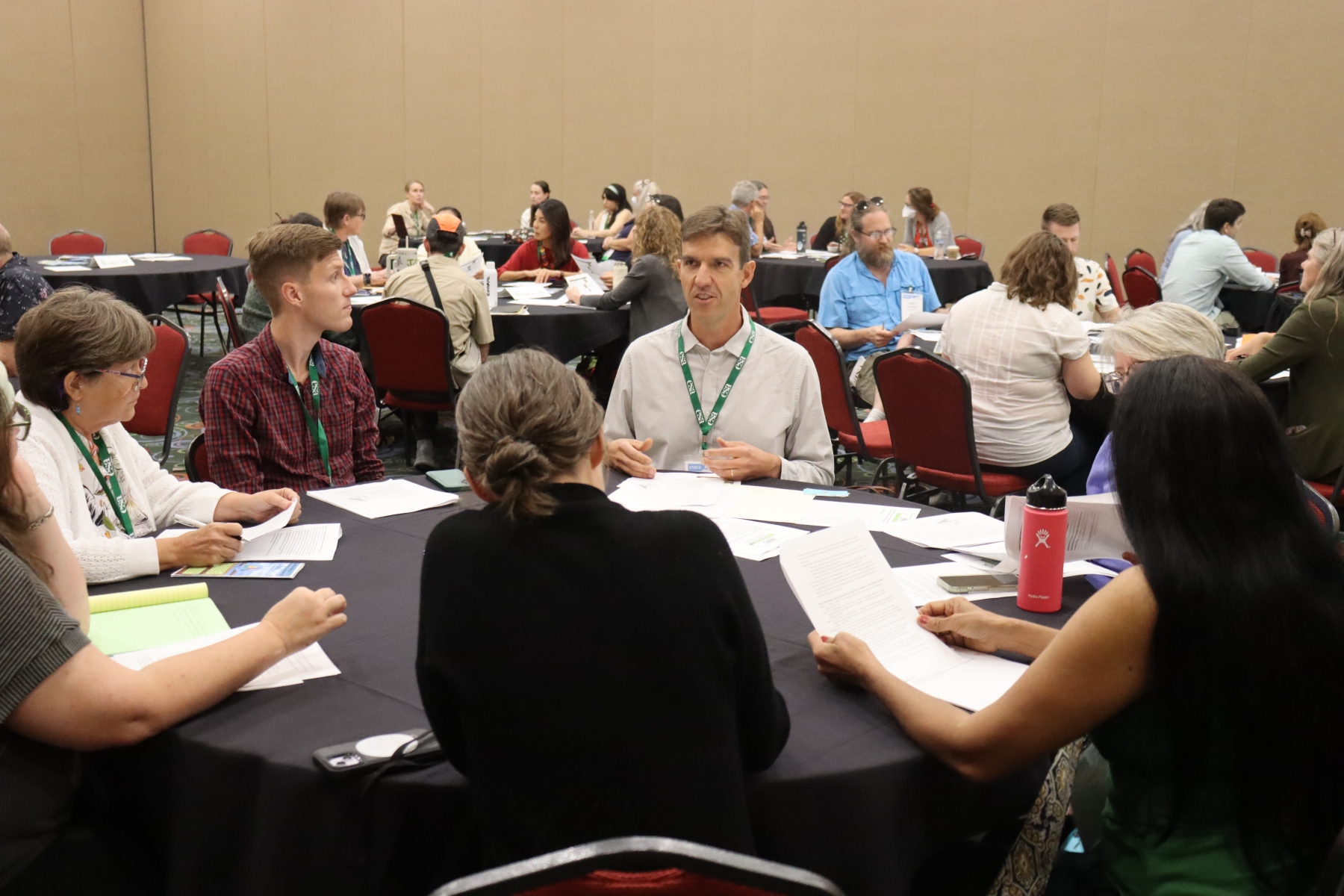
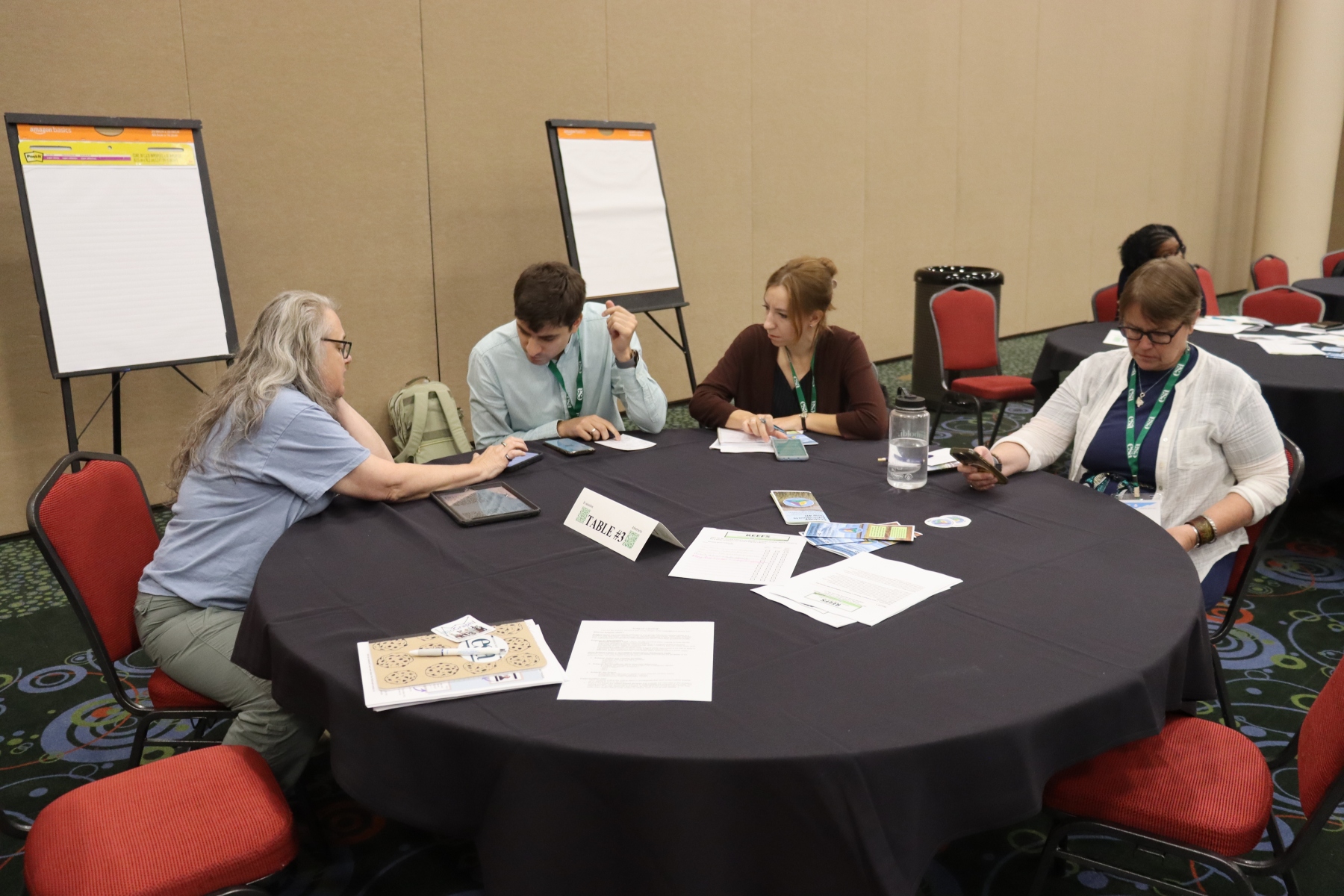
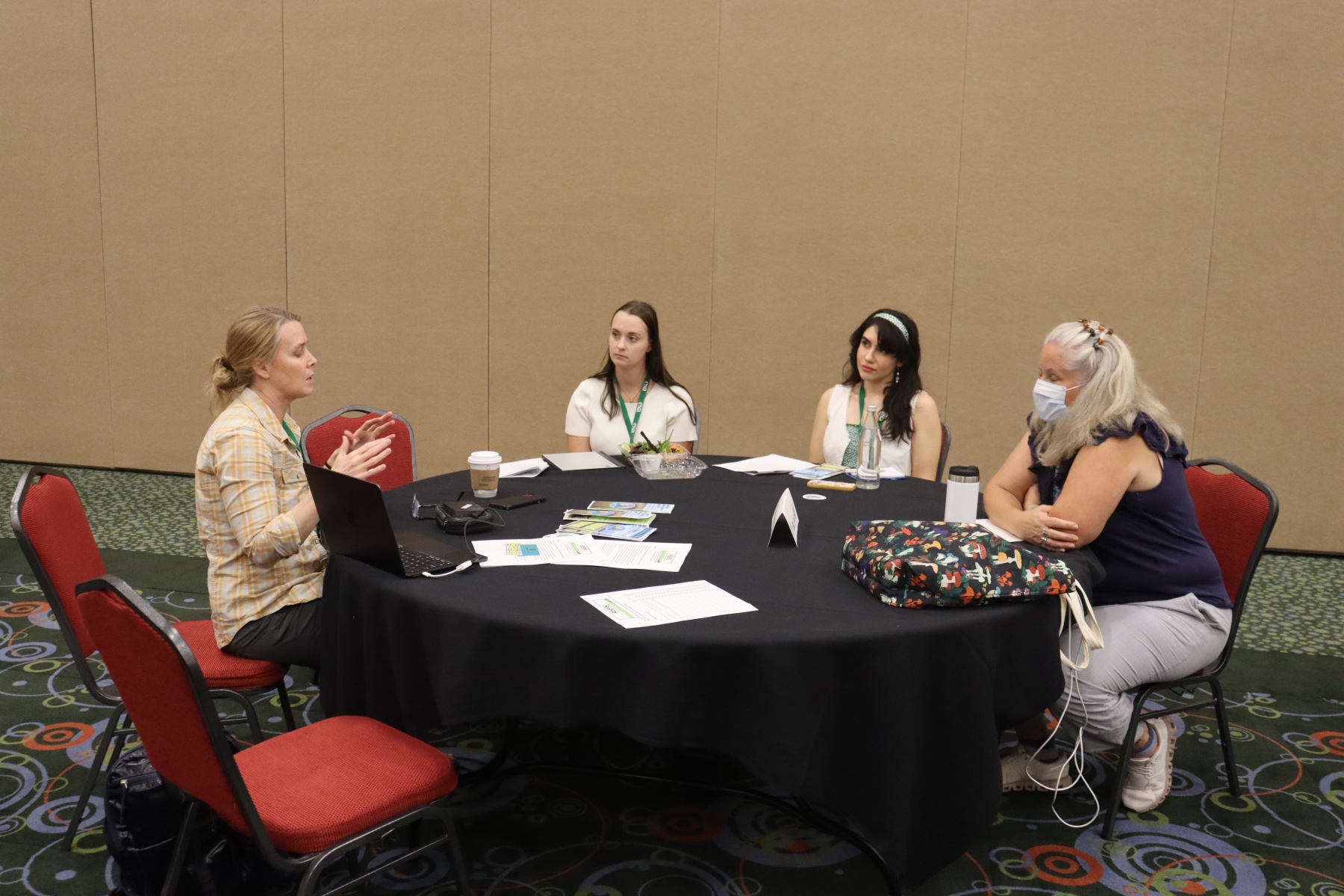
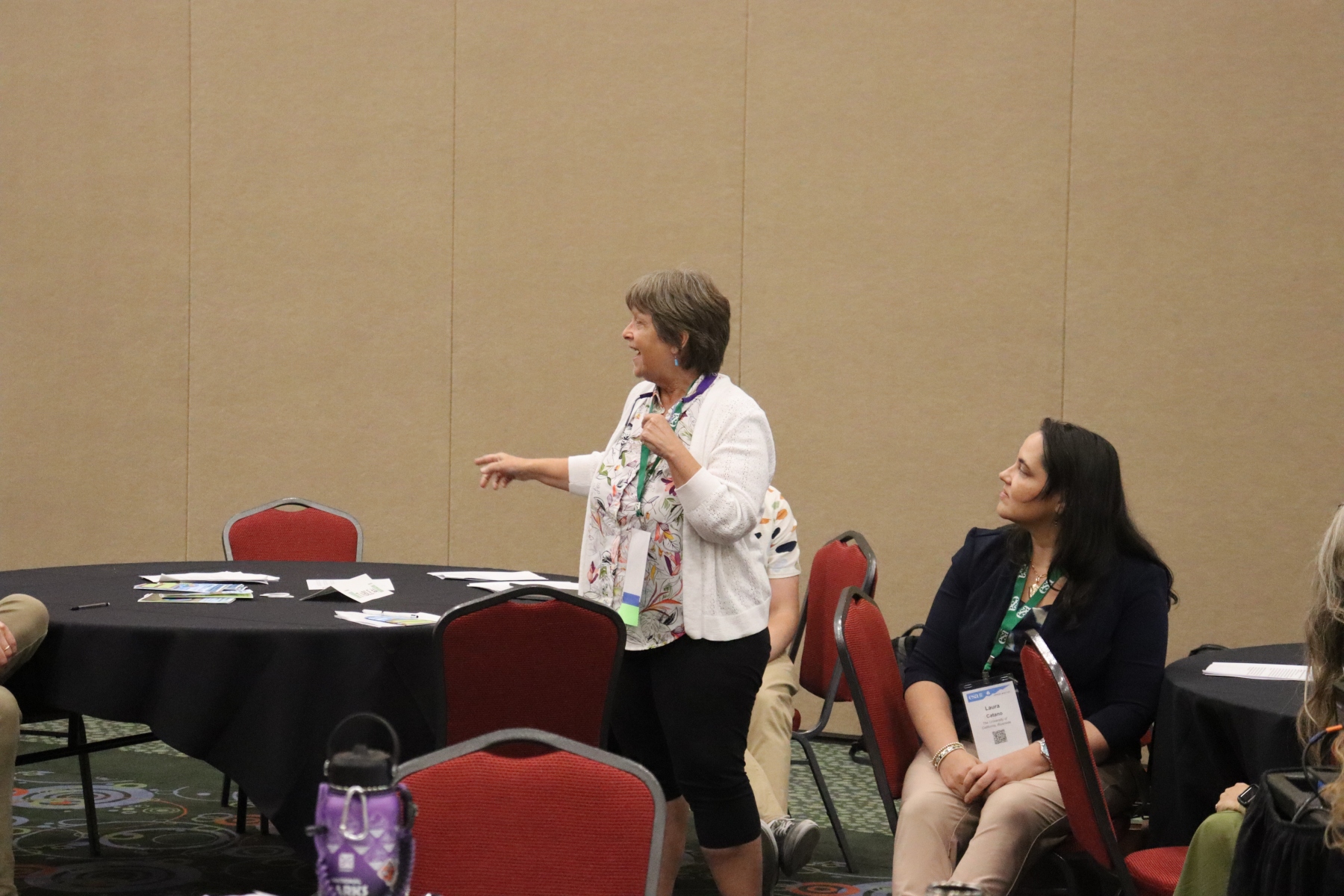
18th Resources for Ecology Education Fair & Share (REEFS)
Tuesday, July 28 11:45 AM – 1:15 PM MT
2026 ESA Annual Meeting, Salt Lake City, UT
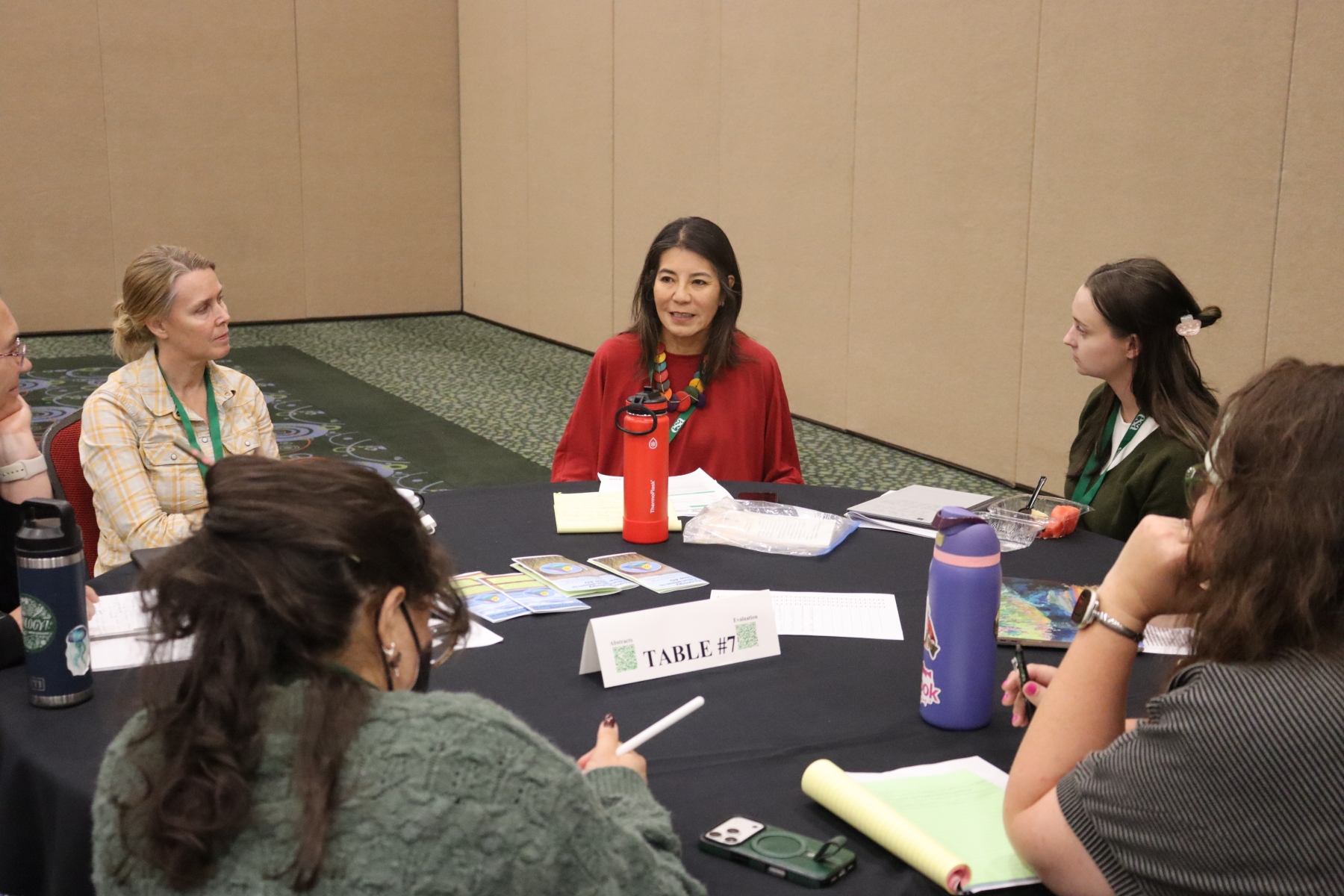
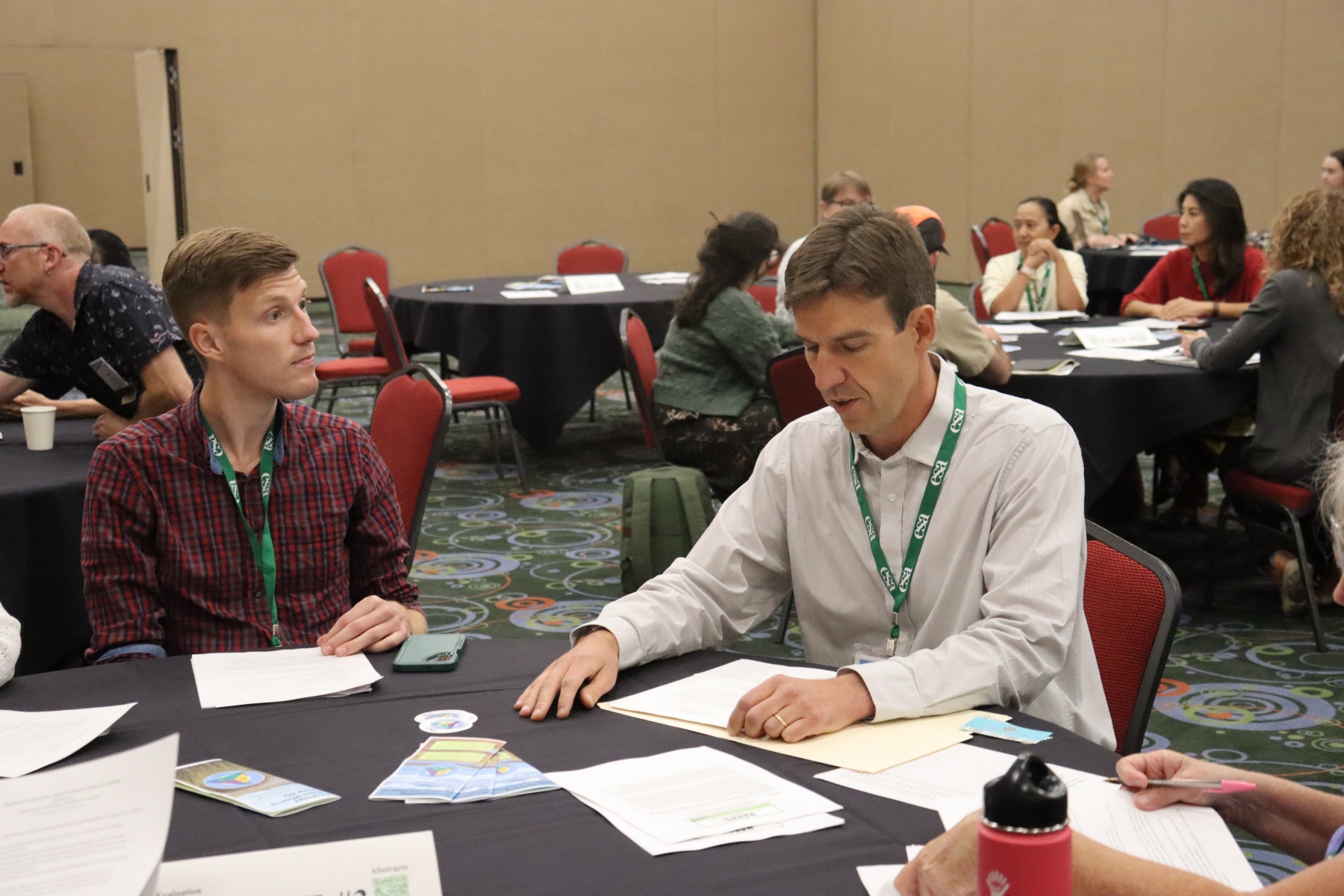
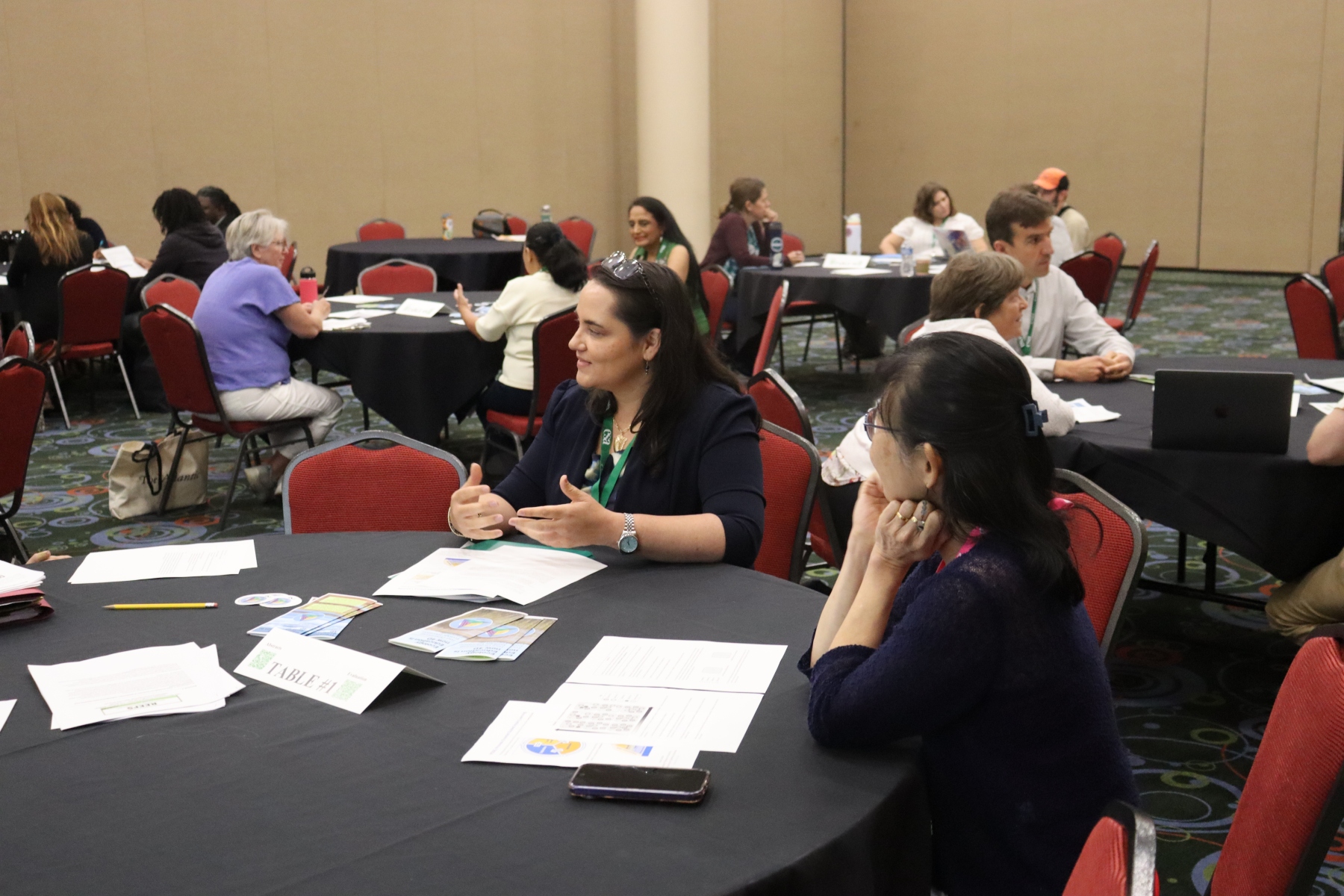
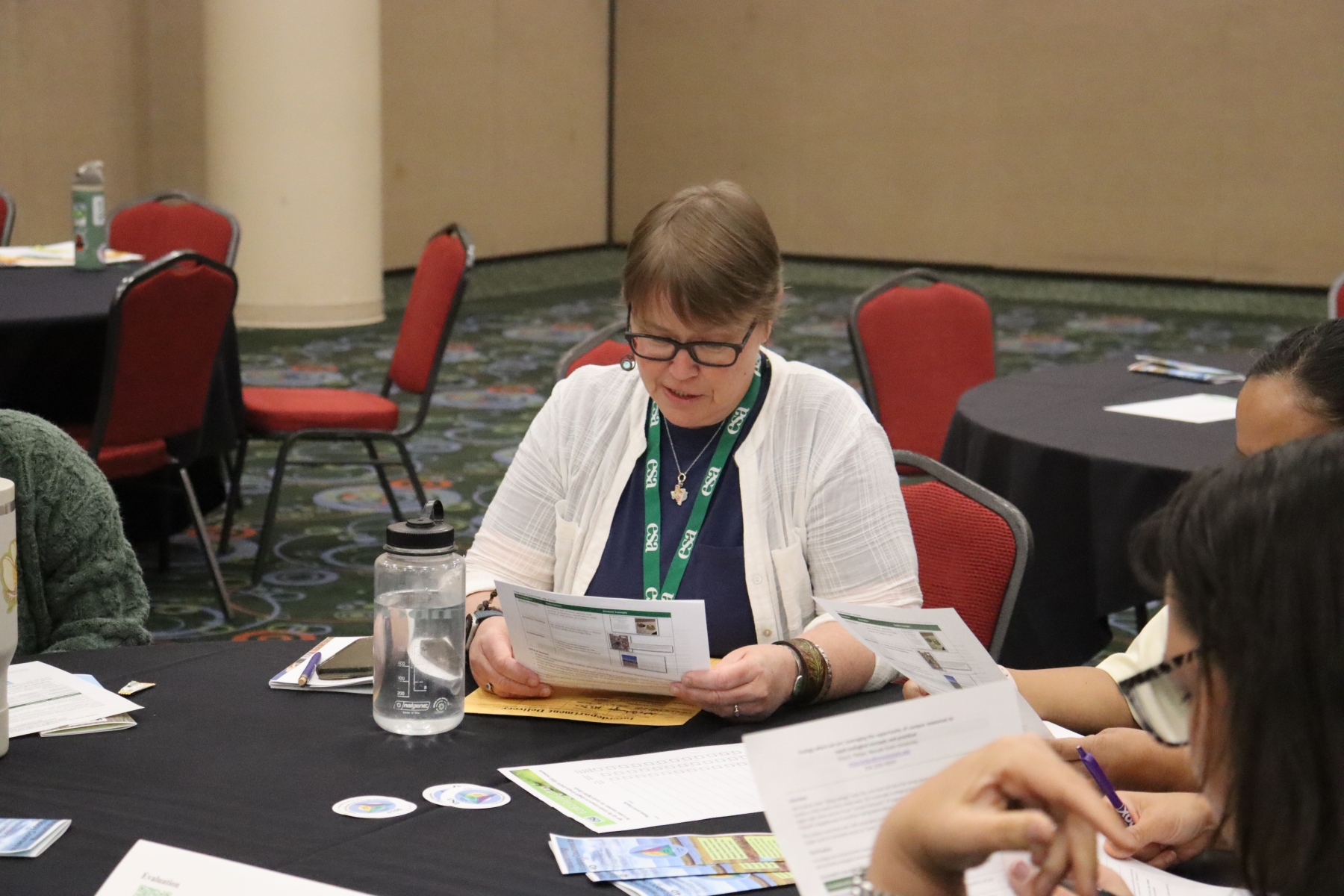
Learning Activities
Tuesday, July 28
11:55am – 12:25pm MT (Round 1 Presenters)
- New Ecological Modules in BioGraphI, highlighting data literacy and scientist journies
- Simulating Uncertainty: A Low Tech Gamified Wildlife Management Exercise for Teaching Decision Making in Dynamic Ecological Systems
- Student-led discussions of peer-reviewed articles in ecology
- Subgoal labeling as a scaffold for quantitative problem-solving in ecology
- Ecology where we are: Take 4DEE outside using campus resources for ecological concepts and practices
- Communities within communities: One Health Approach and zoonotic diseases
- Evolutionary ecology of marine predators shapes their responses to environmental change
12:35pm – 1:05pm MT (Round 2 Presenters)
- Biodiversity Basics
- Integrating the Four Dimensions of Ecology and Evolution Framework in the Ornithology Classroom
- Taking 4DEE to the next dimension: 4DEE-ing your course
- Effects of individual variation in transmissibility on disease spread
- Beyond Boundaries: Exploring Terrestrial Ecosystems Through the 4DEE Lens
- Integrating 4DEE and Universal Design for Learning Through Place-Based Ecological Analysis
- (Re)connecting with Nature: An Ecological Place-Based Active Learning Approach to Strengthening STEM Identity and Belonging.
- Introduction to a new Data Learning Tools How-To Forum
Descriptions (Round 1)
Presentation 1: New Ecological Modules in BioGraphI, highlighting data literacy and scientist journies
Author: Emily Rauschert, Cleveland State University
Abstract: Come learn about new ecological modules in BioGraphI! The BioGraphI Curriculum (Biologists and Graph Interpretation) helps students master data literacy skills while also engaging with the work and pathways of scientists from many different backgrounds. Each BioGraphI module involves classroom activities designed to enhance student’s quantitative skills, as well as interviews with the scientists who conducted the research highlighting their journeys as scientists. Modules were designed with Universal Design for Learning, and involve multiple ways to engage and assess. In this REEFS session, we will explore the BioGraphI project and highlight new modules focused on key ecological concepts.
Audience level: Introductory Biology for majors, Introductory Biology for non-majors, Introductory Biology for mixed majors, Introductory Ecology for non-majors, Introductory Ecology for majors, Introductory Environmental Science for majors, Introductory Environmental Science for non-majors, or mixed, Advanced Ecology course
Extent this learning activity is developed: Newly developed, implemented once or twice in a classroom, lecture or laboratory
Presentation 2: Simulating Uncertainty: A Low Tech Gamified Wildlife Management Exercise for Teaching Decision Making in Dynamic Ecological Systems
Author: Sunshine Brosi, Utah State University
Abstract: Wildlife management requires decision making under uncertainty as managers balance ecological processes, limited resources, stakeholder interests, and unpredictable environmental conditions. We present a low-tech, inquiry-based simulation that allows undergraduate wildlife management students to experience these challenges through management of a declining mule deer population. In this dice-based game, students act as wildlife managers who set objectives, implement a limited number of actions each year, and respond to stochastic events such as severe winters and variable juvenile survival. Population outcomes are determined probabilistically through dice rolls representing environmental variability and management effectiveness, highlighting the uncertainty inherent in real-world management. A preparatory lecture introduces ecological theory, demographic drivers, density dependence, and logistical constraints, enabling students to apply prior knowledge in an active-learning setting. Students must navigate tradeoffs among population growth, hunter satisfaction, and recreational access, reinforcing lessons about resource limitations, delayed management effects, uncertainty, and conflicting societal values.
Audience level: Introductory Biology for majors, Introductory Ecology for non-majors, Advanced Ecology course
Extent this learning activity is developed: Highly developed, implemented multiple times in a classroom, lecture or laboratory
Presentation 3: Student-led discussions of peer-reviewed articles in ecology
Author: John Marino, Bradley University
Abstract: This activity focuses on a module I developed as part of a 4DEE Faculty Mentoring Network, which is now published on QUBES. The module focuses on guiding students to lead in-class discussions of peer-reviewed ecological literature with their peers. The instructor leads an initial discussion as a model, and students lead discussions in subsequent weeks over the course of a semester. Student leaders prepare a summary and questions for discussion, which they use to lead the other students to engage in the in-class discussion. Engagement with the papers allows students to explore and apply knowledge across all four 4DEE dimensions, including core concepts, ecology practices, human-environment interactions, and cross-cutting themes. I implemented this module during the Spring 2026 term in my upper-level ecology course and am excited at the opportunity to share my insights from this experience with colleagues and hear their experiences engaging undergraduates in the peer-reviewed literature.
Audience level: Advanced Ecology course
Extent this learning activity is developed: Newly developed, implemented once or twice in a classroom, lecture or laboratory
Presentation 4: Subgoal labeling as a scaffold for quantitative problem-solving in ecology
Author: Emily Weigel, Georgia Institute of Technology
Abstract: Students often struggle with quantitative reasoning when applying statistical and computational approaches to authentic ecological datasets. This shareable activity demonstrates how subgoal labeling can scaffold quantitative problem-solving by explicitly connecting analytical steps with their underlying purpose. Rather than focusing solely on procedures, students identify why each mathematical, statistical, or coding step is necessary within a broader workflow. Participants will explore a subgoal-labeling example that breaks complex analyses into manageable components and discuss how this approach can support productive use of AI tools by encouraging critical evaluation of outputs, recognition of limitations, and articulation of analytical reasoning. By making thinking visible, subgoal labeling helps students identify where they become stuck, communicate challenges more effectively, and develop greater independence when working with quantitative data. Attendees will leave with adaptable materials and strategies for implementation in their own courses.
Audience level: Introductory Ecology for majors, Introductory Environmental Science for majors, Introductory Environmental Science for non-majors, or mixed, Advanced Ecology course,
Extent this learning activity is developed: Highly developed, implemented multiple times in a classroom, lecture or laboratory
Presentation 5: Ecology where we are: Take 4DEE outside using campus resources for ecological concepts and practices
Author: Erica Tietjen, Nevada State University
Abstract: Students often assume ecology requires remote fieldwork, but meaningful ecological learning begins right where we are. In my introductory environmental science and ecology courses, students participate in a semester-long photo portfolio project to observe, photograph, and annotate ecological concepts found on their campus or chosen surroundings. Unique campus ecosystems are available to everyone and working in local environments minimizes the need for travel to remote locations, particularly on campuses with limited resources for logistics support. The project assignment focuses on the 4DEE elements of natural history (an ecology practice), systems thinking (a cross-cutting theme) and ecosystem services and sustainability (human-environment interactions) to introduce ecological concepts. Students appreciate the latitude to apply course concepts to personally meaningful images, fostering intellectual ownership, self-reflection, and a deeper connection to ecology through a sense of place. For this REEFS workshop, I will share student examples, details about the structure of the portfolio activity, my experiences with diverse undergraduate learners, and helpful tips for incorporating this activity into any classroom.
Audience level: Introductory Ecology for non-majors, Introductory Environmental Science for non-majors, or mixed
Extent this learning activity is developed: Highly developed, implemented multiple times in a classroom, lecture or laboratory
Presentation 6: Communities within communities: One Health Approach and zoonotic diseases
Author: Erica Harris, Agnes Scott College
Abstract: This activity has three modules that are subdivided and intended for an introductory level undergraduate or post-baccalaureate pre-allied health student. Using the interdisciplinary One Health approach, this activity incorporates four 4DEE dimensions (CEC x EP x HEI x CCT) and two cross-cutting themes. Total activity time is 310 minutes.
The first module introduces the concept of the One Health approach, a framework that emphasizes the interconnectedness of species health and environmental health. The second module introduces the concept of microbiomes and the dynamic nature of microbiomes structure and function in different contexts. The third module uses community ecology metrics to characterize organismal microbiomes. Focusing on humans and mosquitoes, students will apply their knowledge in an assignment that uses an open-access online microbiome data filtering and visualization resource, Microbiome DB, to characterize microbial communities.
Audience level: Introductory Biology for majors, Introductory Ecology for majors, Introductory Environmental Science for majors
Extent this learning activity is developed: Newly developed, implemented once or twice in a classroom, lecture or laboratory
Presentation 7: Evolutionary ecology of marine predators shapes their responses to environmental change
Author: Kristen B. Gorman, University of Alaska Fairbanks
Abstract: Explore the global biodiversity of seabirds and marine mammals.
Define adaptation from morphological, physiological, and behavioral perspectives, provide examples from an array of species.
Introduce the concepts:
- marine predator oceanography,
- ocean-climate environmental change,
- environmental change winners and losers as a framework to predict future responses.
Pedagogical use:
- Incorporate compelling figures, pictures, and videos to bring students into the marine realm (many have not been far offshore or to remote areas).
- Describe conceptual models for drivers of ocean productivity, i.e., general spring bloom, upwelling or sea ice ecosystems, and how these processes are altered by environmental change.
- Select interesting examples of marine predator adaptations (e.g., morphological, physiological, behavioral) and how these traits may allow populations or species to be more vulnerable (or resilient) to environmental change.
- Outline an exercise based on predicting future predator response to environmental change for a cross-section of predators.
Audience level: Advanced Ecology course
Extent this learning activity is developed: In development, has not been implemented in a classroom, lecture or laboratory
Descriptions (Round 2)
Presentation 1: Biodiversity Basics
Author: Laura Catano, The University of California, Riverside
Abstract: Biodiversity Basics is an active learning activity that guides students through the process of quantifying biological diversity. Students explore the critical distinction between species richness and species evenness through collaborative model interpretation. Using a case study comparing tropical rainforest and temperate forest habitats, students analyze sampling methodologies like canopy fogging and apply quantitative reasoning to calculate the Shannon Index (H). The activity emphasizes process skills such as teamwork and information processing, requiring students to share observations constructively while navigating real-world challenges like sampling bias. By evaluating the strengths and limitations of biodiversity indices, students gain a deeper understanding of community structure and the importance of biodiversity in sustaining life. This adaptable activity aligns with the 4DEE framework by integrating ecological practices with core concepts and human-environment interactions.
Audience level: Introductory Biology for majors
Extent this learning activity is developed: Highly developed, implemented multiple times in a classroom, lecture or laboratory
Presentation 2: Integrating the Four Dimensions of Ecology and Evolution Framework in the Ornithology Classroom
Author: Jack Sytsma, Kansas State University
Abstract: This presentation showcases a 4DEE-aligned undergraduate ornithology course designed to integrate ecological concepts, ecology practices, cross-cutting themes, and human–environment interactions through the study of birds. Organized into nine modules, the course uses lectures, laboratories, field observations, citizen science data, and primary literature to engage students in authentic scientific inquiry. Participants will explore how backward course design was used to align learning objectives, activities, and assessments with the Four-Dimensional Ecology Education framework. Examples of course materials, field-based learning experiences, and student assignments will be shared, highlighting ways instructors can incorporate 4DEE principles into ornithology, ecology, evolution, and organismal biology courses. Attendees will leave with practical ideas and adaptable strategies for creating more integrative, student-centered learning experiences that connect biological concepts to real-world environmental challenges.
Audience level: Advanced Ecology course
Extent this learning activity is developed: Newly developed, implemented once or twice in a classroom, lecture or laboratory
Presentation 3: Taking 4DEE to the next dimension: 4DEE-ing your course
Author: Kim Bjorgo, West Virginia Wesleyan College
Abstract: In this activity, we will look at the 4DEE Whole Course syllabus template and discuss options for reworking a class from top to bottom using the template. The syllabus template will work for any level of course, and features imbedded 4DEE integration tips, active learning, and UDL principles for each module.
Audience level: Introductory Biology for majors, Introductory Biology for non-majors, Introductory Biology for mixed majors, Introductory Ecology for non-majors, Introductory Ecology for majors, Introductory Environmental Science for majors, Introductory Environmental Science for non-majors, or mixed, Advanced Ecology course
Extent this learning activity is developed: Highly developed, implemented multiple times in a classroom, lecture or laboratory
Presentation 4: Effects of individual variation in transmissibility on disease spread
Author: Miles Robertson, Florida State University
Abstract: When analyzing how individual trait variation impacts population-level outcomes, a common null hypothesis is that populations with identical mean trait values will yield identical outcomes, regardless of variance. However, In many ecological contexts, this hypothesis fails; high individual variance can drive outcomes qualitatively distinct from low-variance scenarios. Inspired by Lloyd-Smith et al. (2005), we developed a simulation of a non-lethal disease outbreak at a small university. The activity allows students to manipulate both the mean and variance of individual transmission probabilities to evaluate how variance influences epidemic severity, measured via metrics like R-naught and peak infection count, thus teaching the importance of variation in individual-level processes in explaining biological patterns.
Audience level: Introductory Biology for majors, Introductory Biology for non-majors, Introductory Biology for mixed majors, Introductory Ecology for non-majors, Introductory Ecology for majors, Advanced Ecology course
Extent this learning activity is developed: Newly developed, implemented once or twice in a classroom, lecture or laboratory
Presentation 5: Beyond Boundaries: Exploring Terrestrial Ecosystems Through the 4DEE Lens
Author: Maricar Aguilos, North Carolina State University
Abstract: Beyond Boundaries: Exploring Terrestrial Ecosystems Through the 4DEE Lens presents an advanced terrestrial ecosystem ecology course intentionally designed around the Four-Dimensional Ecology Education (4DEE) Framework. The activity integrates core ecological concepts, ecological practices, cross-cutting themes, and human–environment interactions through nine interconnected modules on soils, ecohydrology, carbon and nutrient cycling, temporal dynamics, landscape change, disturbance, modeling, resilience, and ecosystem management. Students engage in lectures, case studies, R-based data analysis, field trips, scaffolded scientific writing, and public-facing science communication. This presentation will be useful for REEFS participants interested in course design, systems thinking, data-driven ecology instruction, inclusive and active learning, and strategies for helping students connect ecosystem processes with real-world environmental decision-making.
Audience level: Introductory Ecology for majors, Introductory Environmental Science for majors, Advanced Ecology course
Extent this learning activity is developed: Newly developed, implemented once or twice in a classroom, lecture or laboratory
Presentation 6: Integrating 4DEE and Universal Design for Learning Through Place-Based Ecological Analysis
Author: Ethell Vereen, Morehouse College
Abstract: How can 4DEE and Universal Design for Learning work together when designing ecology learning activities? This session uses a place-based spatial analysis activity as a worked example. Students investigate relationships among biodiversity, human population, land use, and ecological regions while interpreting data, reasoning across scales, and examining human-environment interactions. Participants will then apply a brief 4DEE × UDL Activity Design Quick Check to an ecology activity they teach or know well. They will identify the 4DEE dimensions and interactions in the activity, consider a potential barrier to the intended ecological thinking, and propose one design change that improves access without reducing the ecological challenge. Participants will leave with a practical approach and a one-page tool they can use to design or adapt ecology learning activities.
Audience level: Introductory Ecology for majors, Introductory Environmental Science for majors, Introductory Environmental Science for non-majors, or mixed
Extent this learning activity is developed: In development, has not been implemented in a classroom, lecture or laboratory
Presentation 7: (Re)connecting with Nature: An Ecological Place-Based Active Learning Approach to Strengthening STEM Identity and Belonging.
Author: Alessandra Higa, Oglala Lakota College (Pine Ridge Reservation, SD)
Abstract: The (Re)connecting with Nature workshop introduces an active learning approach that integrates place-based ecological research, collaborative problem-solving, and exploration of human–environment interactions. Through rapid ecological investigations, students connect core ecological concepts with environmental stewardship while strengthening their sense of belonging in STEM through meaningful, community-centered experiences.
The modules are organized around seven interconnected elements: West (water), North (animals), East (fire), South (plants), Earth (soil), Sky (air/weather), and Self (self-perception and connection with the other elements). Working in collaborative teams, students learn field techniques (pitfall trapping, trail camera monitoring, and macroinvertebrate sampling), while developing design skills, teamwork, and conceptual understanding. The “Self” element encourages students to observe their role within natural systems and recognize the reciprocal relationships between people, place, and the environment. The workshop also incorporates a mindful techniques and guided forest bathing (Shinrin-yoku) experiences, adaptable to any classroom settings.
This session will share the instructional framework, activities, and culturally responsive lessons learned to support adaptation in diverse educational settings while fostering environmental stewardship.
Audience level: Introductory Biology for majors, Introductory Biology for non-majors, Introductory Biology for mixed majors, Introductory Ecology for non-majors, Introductory Ecology for majors, Introductory Environmental Science for majors, Introductory Environmental Science for non-majors, or mixed, Advanced Ecology course, Field Ecology course
Extent this learning activity is developed: Highly developed, implemented multiple times in a classroom, lecture or laboratory
Presentation 8: Introduction to a new Data Learning Tools How-To Forum
Author: Rebecca Hardin, University of Michigan
Abstract: This Data Tools How To Forum on Qubes hub (where ESA digital ed materials in general can be found) has already created an interactive community that has helped three educational innovators, one teaching in an HBCU STEM context, one in an undergrad facing Biology program, and one within a museum setting, to incrementally develop and share their own open modules or interactive data learning tools for wider use. One module is a student facing basic introduction to data literacy. One module is about integrating R and python for interactive data learning in classrooms, and online. The final module is about integrating slippy maps for interactive data use in curricular materials for ecologists. All our housed in a forum on Qubes intended to widen and deepen this community; we will share a handout about the forum, and one about each module, then invite you to consider what kind of module or tool the community could help you make and share. Here pedagogical interactivity goes hand in hand with interoperability of platforms like ESA, Quebes, and the authoring platform Gala, and with the interaction of educators in different kinds of learning environments to advance ecology curricula. Join us!
Audience level: Introductory Biology for majors, Introductory Biology for non-majors, Introductory Biology for mixed majors, Introductory Ecology for non-majors, Introductory Ecology for majors, Introductory Environmental Science for majors, Introductory Environmental Science for non-majors, or mixed, Advanced Ecology course
Extent this learning activity is developed: Newly developed, implemented once or twice in a classroom, lecture or laboratory