Ecological Society of America Selects 2026 EEE Scholars
January 21, 2026
For Immediate Release
Contact: ESA Public Affairs Office, PAO@esa.org
The Ecological Society of America (ESA) announces the 2026 cohort of ESA Excellence in Ecology (EEE) Scholars. This prestigious scholarship program celebrates and supports outstanding early- to mid-career Ph.D. ecologists.
This year’s EEE Scholars are: Diana Macias, Postdoctoral Researcher at the University of California, Berkeley; Ana Carolina Prado-Valladares, Researcher at the Fisheries Institute Foundation of the State of Rio de Janeiro; Lis Regula, Adjunct Instructor at Otterbein University; and Julissa Rojas-Sandoval, Assistant Professor at the University of Connecticut.
“I am deeply inspired by this year’s EEE Scholars, whose innovative research, community partnerships and commitment to broadening participation in our discipline exemplify the best of our field,” said ESA President Peter Groffman. “Their work strengthens ecological understanding, supports resilient communities and represents extraordinary contributions to ecology’s future.”
Each scholar will receive an award of $5,000 over two years. This funding will support their participation in speaking opportunities at ESA annual meetings or events, as well as research endeavors, family/childcare support, hosting webinars and covering publication fees in one of ESA’s Open Access journals.
Meet the 2026 EEE Scholars:
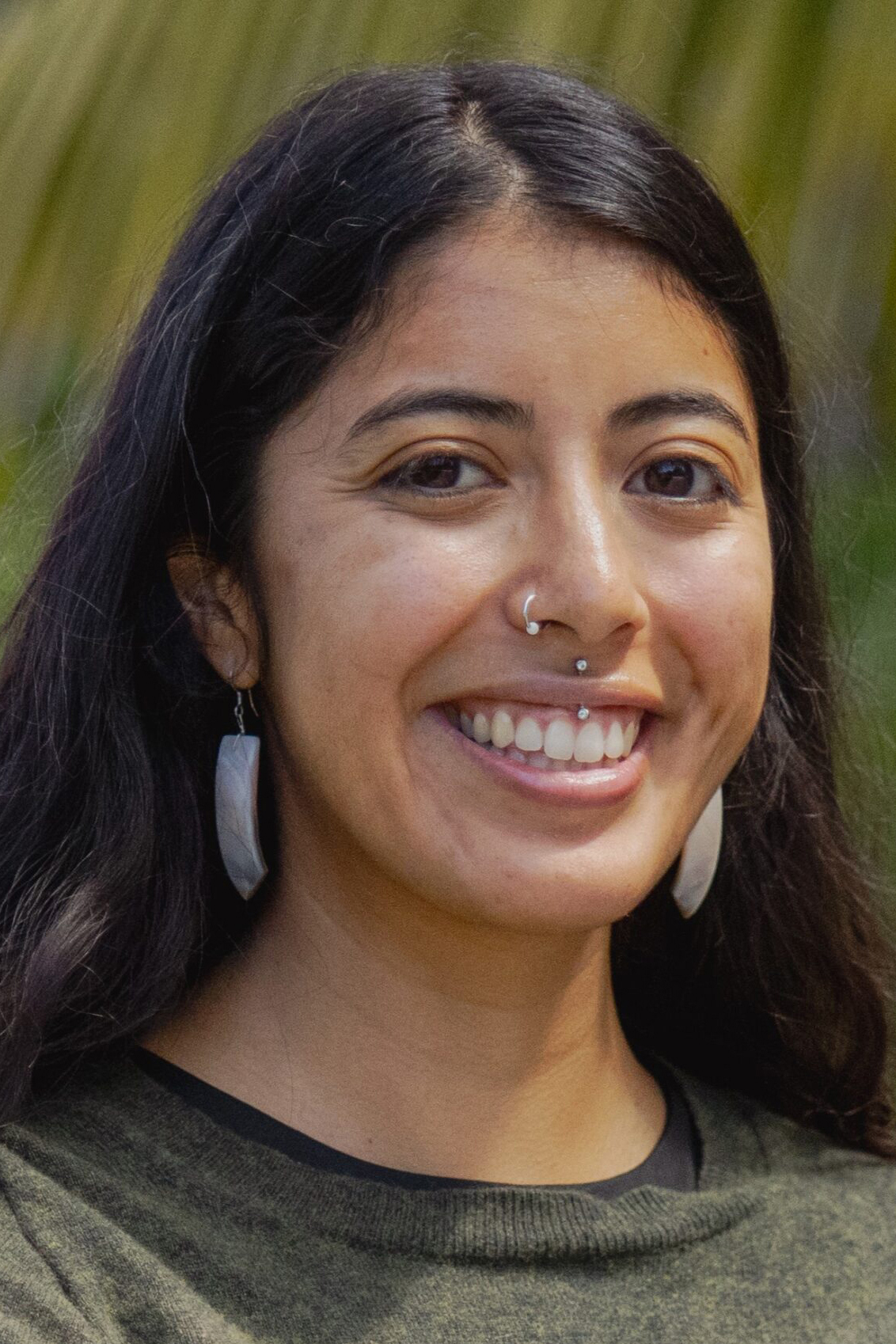
Photo by Andrew Brodhead
Diana Macias – Postdoctoral Researcher, University of California, Berkeley
Diana Macias studies how climate change is reshaping dryland ecosystems and the communities connected to them. Her work examines how standing genetic variation, functional traits and long-term environmental pressures shape the resilience or decline of forest ecosystems. To do this, she integrates long-term monitoring, seed production dynamics and landscape genomics. She also collaborates with Tribal Nations — including Big Pine Paiute, Bishop Paiute and Washoe — and community partners to support Indigenous-led efforts such as woodland health surveys and assessing the nutritional and cultural value of traditional foods. Her projects bring together scientific and community-based research that supports local decision making, strengthens climate resilience and broadens participation in ecology. She received her Ph.D. from the University of New Mexico.
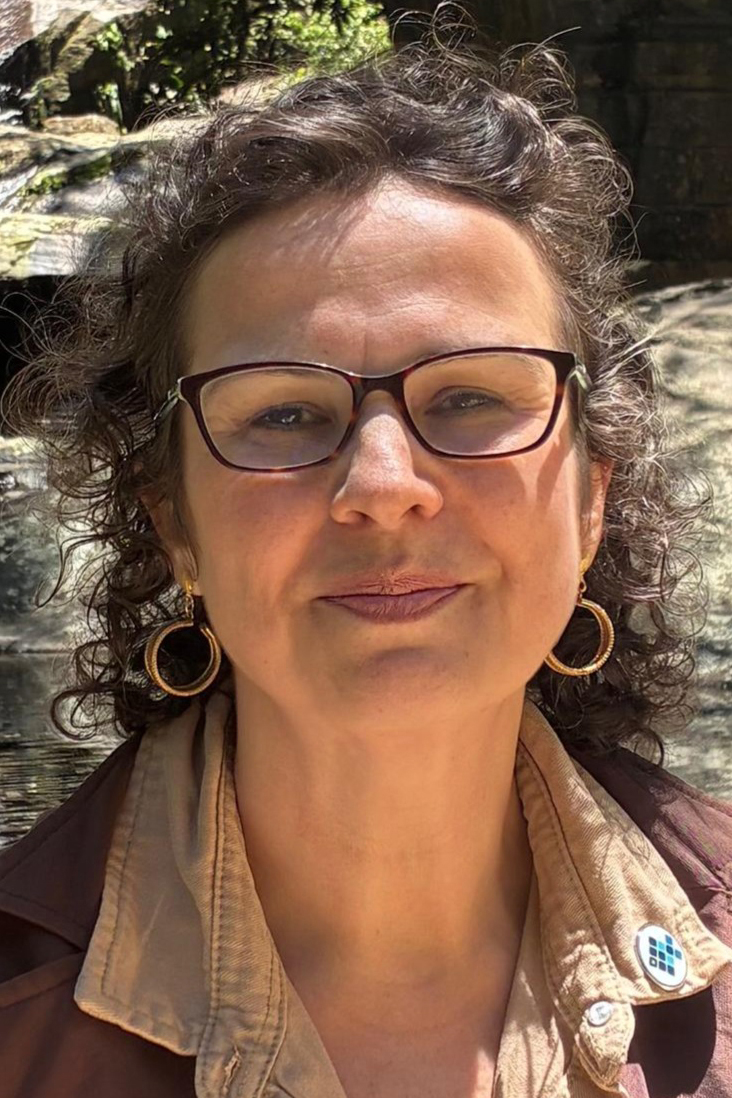
Photo courtesy of Ana Carolina Prado-Valladares
Ana Carolina Prado-Valladares – Researcher, Fisheries Institute Foundation of the State of Rio de Janeiro (FIPERJ)
Ana Carolina Prado-Valladares’ work focuses on freshwater biodiversity, protected areas, invasive species and gender in small-scale fisheries, integrating ecological research with traditional knowledge and community livelihoods. At FIPERJ, she contributes to public policy and conservation as coordinator of the Biodiversity and Climate Change Working Groups, and as a member and research coordinator of the Women in Fisheries Working Group. She collaborates closely with fisherwomen whose knowledge sustains aquatic ecosystems. As a scientist-mother of two daughters, she is committed to building caring, resilient and inclusive futures for freshwater ecology. She holds a master’s degree in Freshwater Biology and Inland Fisheries from the National Institute of Amazonian Research and a Ph.D. in Ecology from the Federal University of Rio de Janeiro.
Photo courtesy of Lis Regula
Lis Regula – Adjunct Instructor, Otterbein University
Lis Regula is an interdisciplinary biologist and educator whose work bridges biological research, science education and community engagement. His scholarship centers on understanding transitional spaces, both ecological and social, with an emphasis on inclusive teaching, public science communication and environmental justice. A mentor for underrepresented learners and developer of educational tools that support accessibility and belonging in ecological science, he is committed to diversity and inclusion. Beyond the classroom, Regula is an active voice in public advocacy, translating science for community audiences and contributing to initiatives that promote environmental stewardship and equitable access to science. He received his Ph.D. from Kent State University.
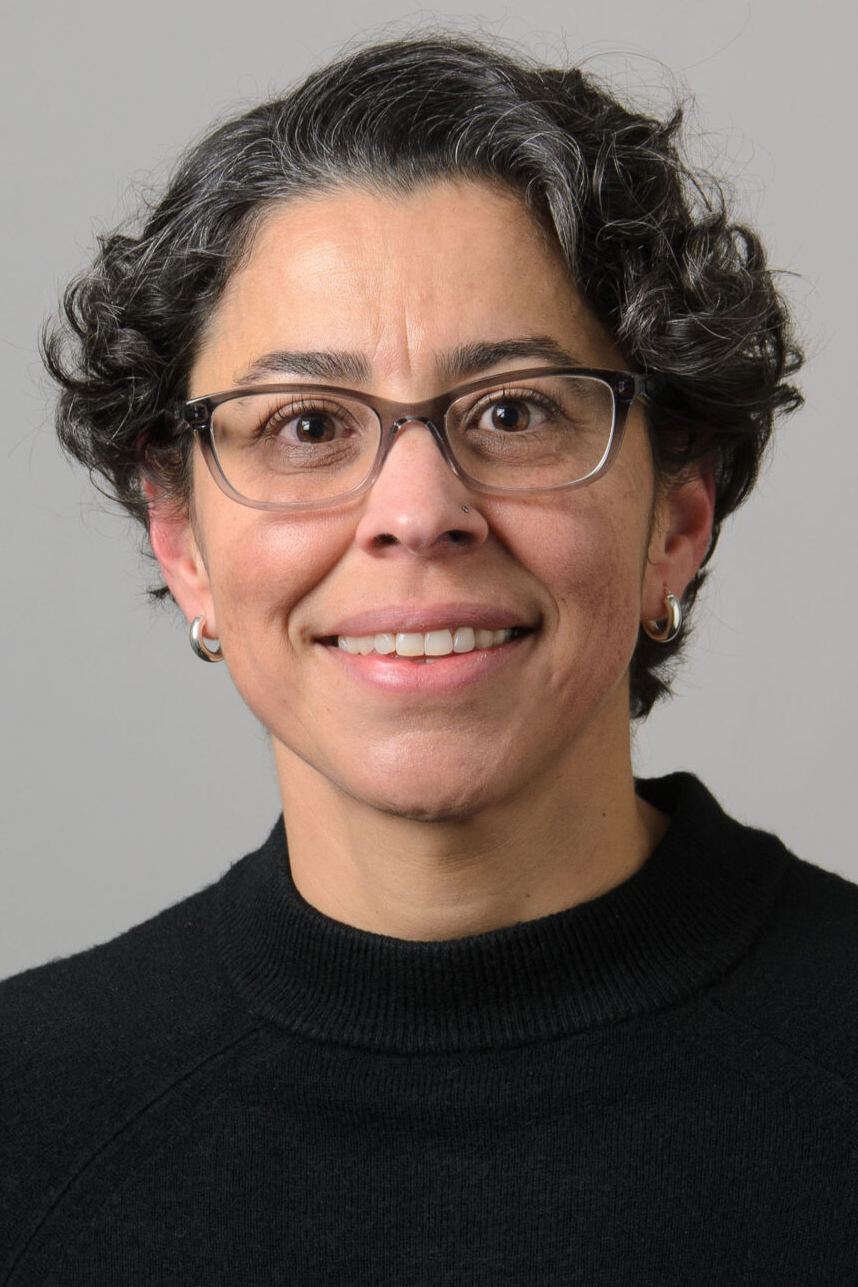
Photo by Sean Flynn/UConn Photo
Julissa Rojas-Sandoval – Assistant Professor, University of Connecticut
Julissa Rojas-Sandoval’s research integrates ecology, biogeography and conservation science to understand how climate change, land-use transformation and invasive species reshape biodiversity, community structure and ecosystem resilience across the Caribbean and the Americas. Combining field monitoring, species trait data and theoretical approaches, she investigates the drivers of species distributions and ecological change. Rojas-Sandoval has led major externally funded projects and authored more than 40 peer-reviewed publications. She is also deeply committed to mentoring and broadening participation in STEM. She holds an M.S. in Biology from the University of Costa Rica and a Ph.D. in Ecology from the University of Puerto Rico.
###
The Ecological Society of America, founded in 1915, is the world’s largest community of professional ecologists and a trusted source of ecological knowledge, committed to advancing the understanding of life on Earth. The 8,000 member Society publishes six journals and a membership bulletin and broadly shares ecological information through policy, media outreach and education initiatives. The Society’s Annual Meeting attracts 4,000 attendees and features the most recent advances in ecological science. Visit the ESA website at https://www.esa.org
Follow ESA on social media:
X/Twitter – @esa_org
Bluesky – @ecologicalsociety.bsky.social
Instagram – @ecologicalsociety
Facebook – @esa.org