
Study finds alpine peaks are greening in Northeast U.S., Canada
It is the first regional analysis of greening trends in the northern Appalachian region.

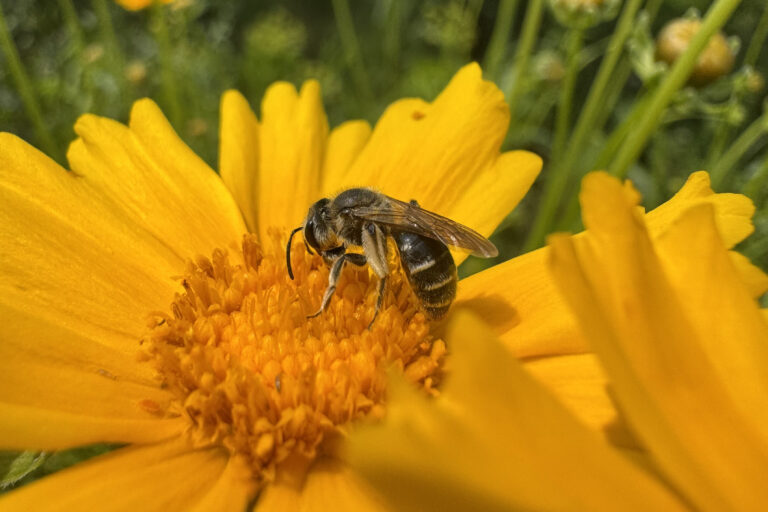
Flowers become harder to smell for bees, moths and other pollinating insects in polluted air, according to new research.
Read More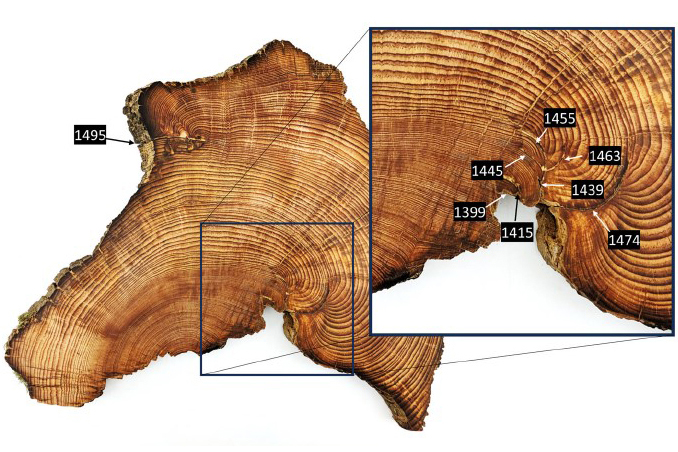
The lasting impact of historical events on New Mexico fire regimes, using sea slugs as ecological ambassadors and more from ESA’s journals.
Read More
New research finds horsehair worms manipulate nocturnal hosts at night regardless of the moon’s phase.
Read More It is the first regional analysis of greening trends in the northern Appalachian region.
Large-scale oyster reef restoration in the Chesapeake Bay is successfully creating habitats that support larger, more diverse fish communities, according to new research.

Where giant salamanders sit in the food web, the conservation value of China’s fengshui forests and more from ESA’s journals.
Biologists find the insects cannot recover when old-growth forests are removed.
Researchers used vertically stacked infrared camera traps to monitor mammals from the forest floor to the canopy in the Democratic Republic of Congo.

A new study analyzed 16 years of bird survey data and found that bird nesting season in the Minnesota prairie isn’t quite what it used to be.
The mishmash of regulations surrounding invasive species, bee-boosting strategies for urban farms and more from ESA’s journals.
Northern spotted owl populations are approaching or have already crossed functional extinction across large areas of the Pacific Northwest, according to a new study.

A new study reveals that tapirs, peccaries, and other jungle mammals serve as ecosystem engineers in Brazil’s Atlantic Forest.
A new study finds that Japanese riparian forests shape habitat within rivers, at multiple scales.
By melding scientific measures with human emotional responses and values, National CASC researchers and partners discuss a more holistic way to understand the uncertainties caused by accelerating global changes.
New research reveals how advanced hyperspectral remote sensing and machine learning can equip land managers with tools to prioritize restoration and monitor ecosystem health over time.
A new study suggests hermit crabs are dispersing the seeds of an unusual parasitic plant.
Ecosystems become more resilient to environmental change through “portfolio effects” operating across multiple levels of ecological organization.
Cal Poly Humboldt researchers found that barn owls reduce the number of rodents in vineyards not only by eating them but also scaring them.
For the first time, researchers observed and recorded bats preying on small migratory birds in the air at night.
For the first time, ants were observed using the homes of pests known as coffee berry borers to rear their own young.