
How invasive rats rewire coral reef food webs creating winners and losers
Invasive rats on tropical islands are creating winners and losers among the underwater animals near the bottom of the food chain that inhabit surrounding reefs.
Invasive rats on tropical islands are creating winners and losers among the underwater animals near the bottom of the food chain that inhabit surrounding reefs.
The partnership will offer an interactive learning experience a group of ESA members interested in building their local civic engagement skills.

In July 2026, Associate Professor Dr. Virgil Alexandru Iordache was appointed a member of the Professional Ethics Committee of the Ecological Society of America.

Study finds winter snowfall shapes summer pond conditions, with implications for biodiversity as California’s climate changes.

At this year’s ESA Annual Meeting, researchers will present new findings on the ecological relationships between wildlife, their habitats and the growing influence of human activities across terrestrial, freshwater and marine ecosystems.
The amount of kelp that survives winter storms greatly influences the productivity of the giant kelp forest in the next growing season.

Large language models are transforming research in the life sciences in ways that extend far beyond improving productivity, and are becoming a new normal before scientists have agreed where the limits of their use should be.
ESA’s upcoming Annual Meeting in Salt Lake City, July 26–31, features the latest research on how wildfire is transforming ecosystems and influencing wildlife, as well as strategies to reduce the risks of severe fire.
Researchers investigated this unusual marine mystery, revealing a lesser-known impact of marine plastic pollution on crustaceans.
In a new synthesis paper, researchers examine the ecological structures and processes that help ecosystems withstand disturbances while continuing to provide the benefits that people and wildlife depend on.
Researchers captured what may be the first recorded evidence of nesting birds aggressively driving away deer.

New research has found that some kelp forests around Vancouver Island were disappearing far earlier than previously thought.

SFI External Professor Brian Enquist (University of Arizona) has been awarded the Ecological Society of America’s prestigious Robert H. MacArthur Award, which celebrates a mid-career ecologist.
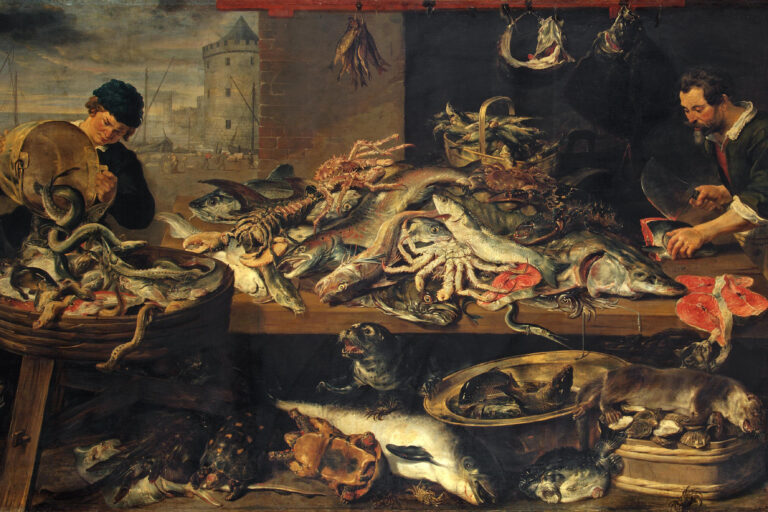
The use of historical art to see ecosystems of the past, owls as a pest-control strategy and more from ESA’s journals.
A global study shows a strong positive impact of agroforestry on biodiversity—but restoration measures are not a substitute for forest conservation.
The Ecological Society of America announces its 2026 award recipients, honoring ecologists whose research, teaching, mentorship and leadership have advanced ecological science and its benefits to society.

New research provides important insights into how species react to climate change – and how quickly evolution can actually occur.
The tool flagged vulnerable mangrove patches a decade in advance, offering a path toward preventive conservation.
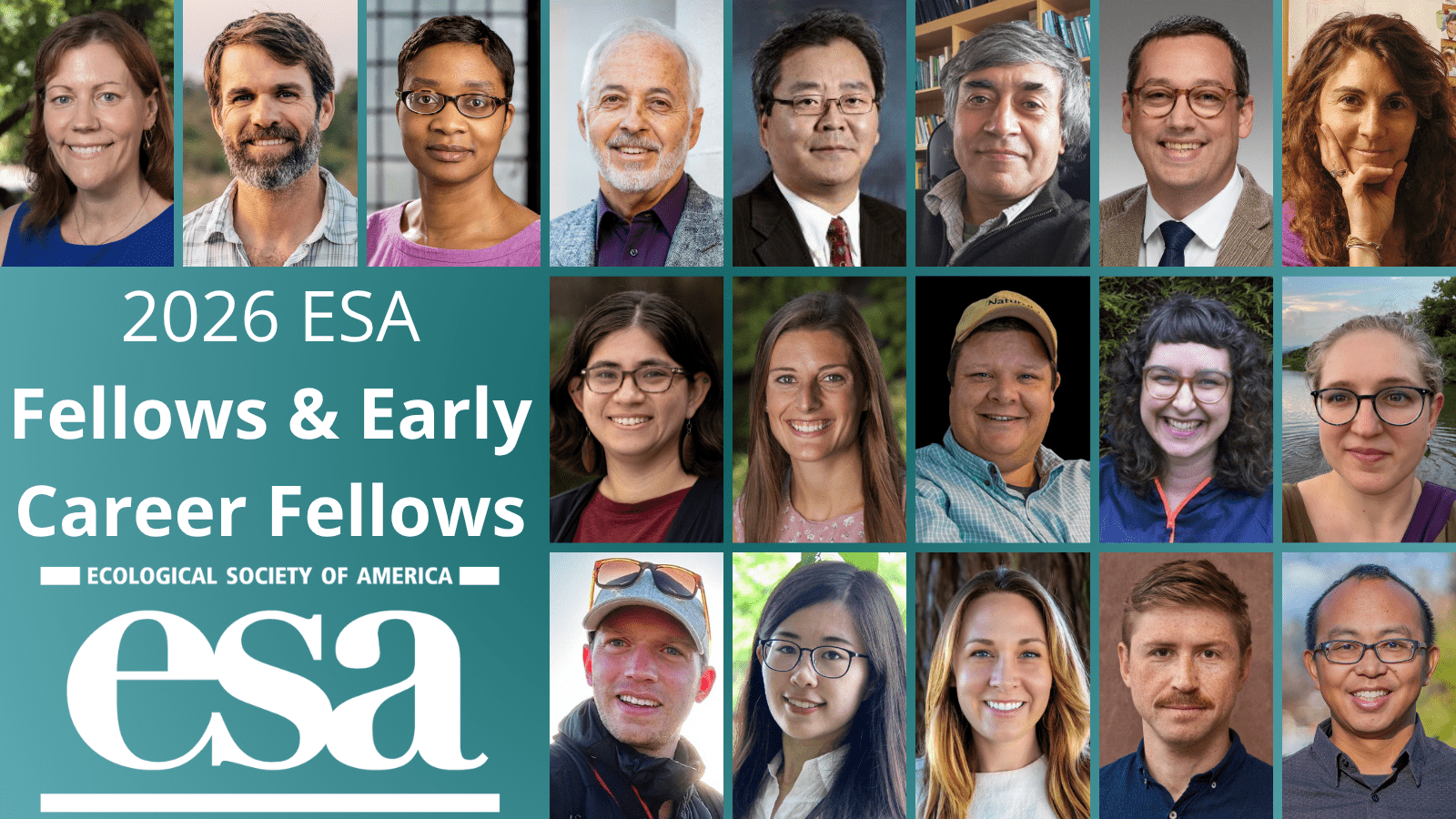
Dr. Tess Grainger, University of Guelph assistant professor in Integrative Biology, has been named an Early Career Fellow with the Ecological Society of America.
Returning to campus after COVID shutdowns, students enrolled in a UCSB biology course made an exciting discovery.