
New research challenges the image of humans as nature lovers
Nature is a source of recovery and well-being for many, but a new study shows that there is also a growing proportion of people who experience “biophobia.”
Nature is a source of recovery and well-being for many, but a new study shows that there is also a growing proportion of people who experience “biophobia.”

A remarkable resistance to venom has been discovered in a frog that feasts on hornets despite their deadly stingers.

New research sheds light on connections among seamounts deep under the northwest Pacific Ocean, and identifies those that could be important conservation targets as deep-sea mining ramps up.
A new study shows that young mountain lions in California struggle to disperse between populations because they avoid developed areas and busy roads, limiting the gene flow needed to keep populations healthy.
Researchers use computer models to predict which areas of British Columbia’s old-growth forest are more likely to remain stable over the next 30 years.
Research shows fish diversity on a Western Australian floodplain depends on how long pools stay connected to the river and persist through wet and dry seasons.
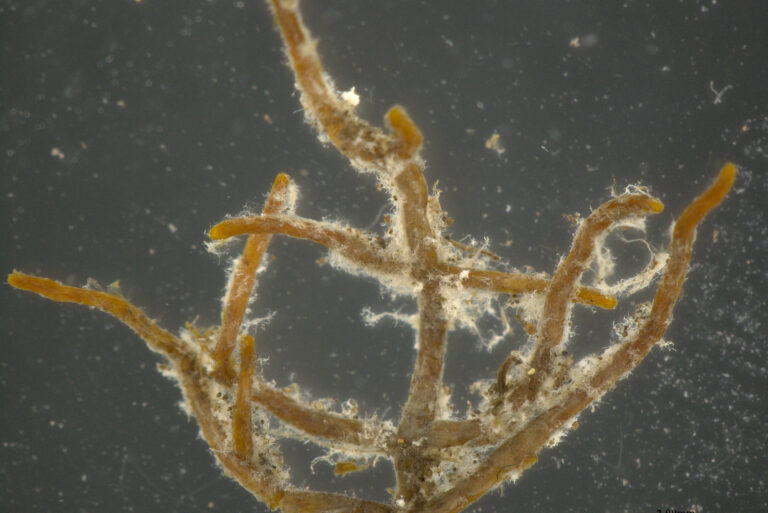
Urban pollinator navigation, the relationship between aging tree roots and soil fungi and more from ESA’s journals.

An invasive grass found on almost every continent isn’t just weeding out native plants, it is creating a haven for disease-carrying ticks and raising public health risk concerns.
A two decade long experiment in the Sierra Nevada found that regular prescribed burns promote carbon sequestration in live trees and plants, maintaining forests’ long-term ability to store carbon while also reducing wildfire hazard.
After discovering a historic bird survey in the Pacific Northwest, Georgia Tech’s Ben Freeman located the original sites, repeating the surveys three decades later.
The coral restoration technology developed by CSIRO, Australia’s national science agency, with Southern Cross University can be developed at scale and will be monitored for longer-term effectiveness.
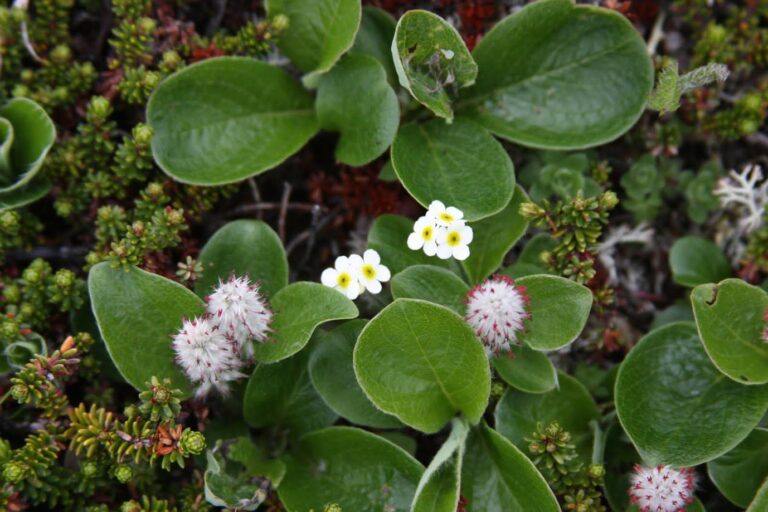
Tiger conservation, plant-fungal networks in the Arctic and more from ESA’s journals.
New research shows that controlling pond water levels and removing invasive hybrids may be key to protecting the endangered California tiger salamander.
The findings, based on nine species that live in the region, could inform decisions for ecosystem management.
The “baby boom” of ochre sea stars that followed a population crash a decade ago is enabling the species to recover on the Oregon coast.
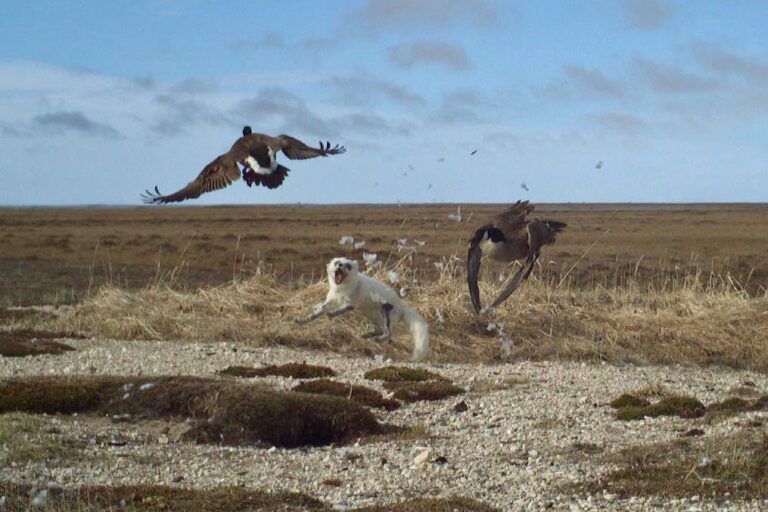
Unexpected links between Arctic land and sea, what happened after a major sea star die-off and more from ESA’s journals.
Scientists spot nearly 50 red cusk-eels burrowed into a tubeworm bush at a methane seep in a new-to-science observation.

The USNVC Version 3.0 ensures ecosystem data remain consistent, comparable, and actionable across jurisdictions.
Researchers used a database created in the 1990s that sheds light on bear behavior and population size to help guide regional bear management strategies.
Over a decade-long study involving 117,000 plants, researchers uncovered evidence that helps explain the decline in carbon storage across the American tropics.