
Sweet tooth – Ethiopian wolves seen feeding on nectar
In doing so, the wolves may act as pollinators – perhaps the first known plant-pollinator interaction involving a large carnivore.
In doing so, the wolves may act as pollinators – perhaps the first known plant-pollinator interaction involving a large carnivore.

A new publication addresses a critical gap surrounding highway wildlife crossings: the need to expressly consider the impacts of climate change.

An international research team finds pollinators and predators promote profitable, sustainable farming.
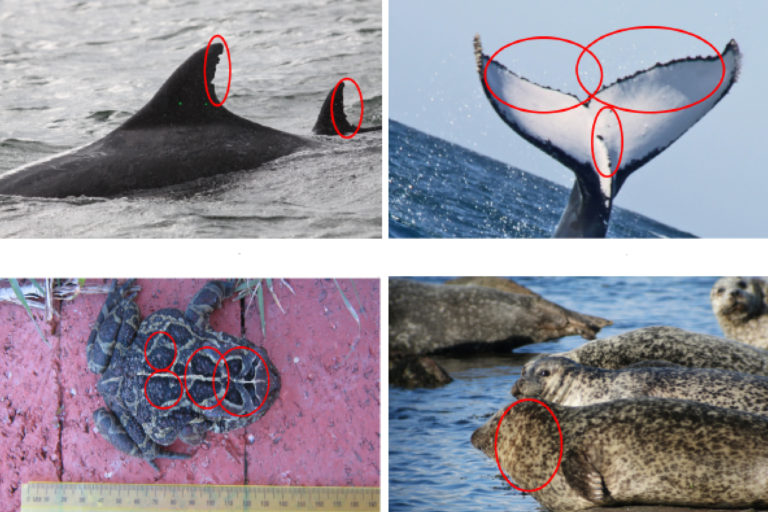
Poking holes in the “tens rule” of invasion ecology, the use of artificial intelligence to identify individual animals and more from ESA’s journals.
A unique data set on the occurrence of amphipods in Swiss groundwater shows that land use within a radius of up to one kilometre from the groundwater extraction site has an impact on these sensitive creatures.
Polar bears in some parts of the high Arctic are developing ice buildup and related injuries to their feet, apparently due to changing sea ice conditions in a warming Arctic.
The assortment of species of tiny soil animals – small enough to stand on the head of a pin – differ from one urban park to another, unlike plants and larger animals where a few species are often found across many parks.
New research provides new insights into the factors affecting the survival and territory occupancy of an iconic and imperiled raptor.
A new study analyses hundreds of images obtained by recreational divers and shared on social media, revealing the open-water octopuses’ behavior in their natural environment.
A new University of Florida study unveils a significant rise in the use of citizen science data for environmental reviews of major federal projects.
In a new paper, Michigan State University ecologists explore the impacts of warming temperatures and insect herbivory on plants’ biological cycles.

A study in the Cascade Range in Oregon of a tiny, elusive skunk found the animal can cover more ground than deer and is sensitive to climate change, particularly severe winter weather.

The Ecological Society of America is pleased to announce its first cohort of Editorial Fellows.
As temperatures heat up, the beneficial relationship between certain ants and plants in Peru cools down.
New research indicates human-driven changes in gravel and salmon size impact the fish’s spawning success.
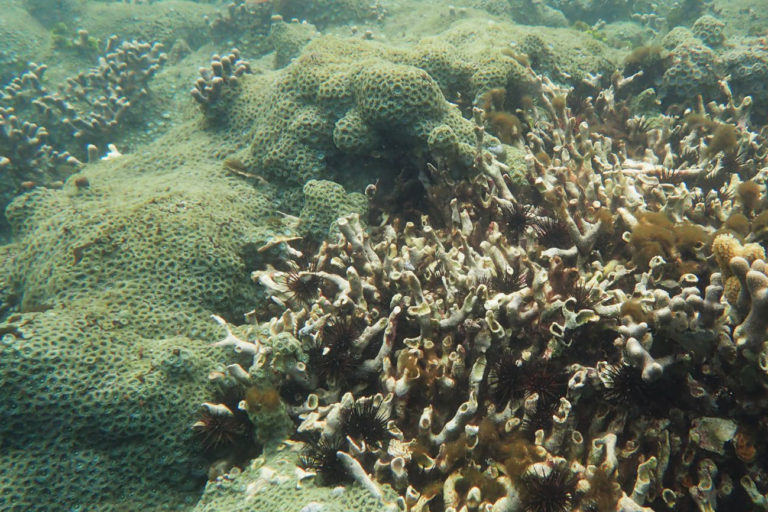
Central Africa’s unique bai ecosystems, a strategy for managing forests in a more flammable world, the protection of dead corals by secondary reef colonizers and a new approach to examining cause-and-effect in ecology.
A new study maps Congo’s bai ecosystems in unprecedented detail.

The Eiffinger’s tree frog has a unique biological adaptation: its tadpoles do not defecate during their early developmental stages.
New research examines how some plant species are adjusting to change and others are losing out.
Single female desert locusts are exposed to extreme heat during the day, but paired females are protected from the heat by the male riding on their backs, who act as a “parasol.”