
Life at the extremes: Riding a ghost
Extraordinary images of a giant deep-sea jellyfish with a school of small fish swimming among its arms provide new information on the interaction between these species.

In the Serengeti, changes in the distribution of migratory herbivores can have important consequences for predators that depend on prey such as wildebeest and zebras.
Read More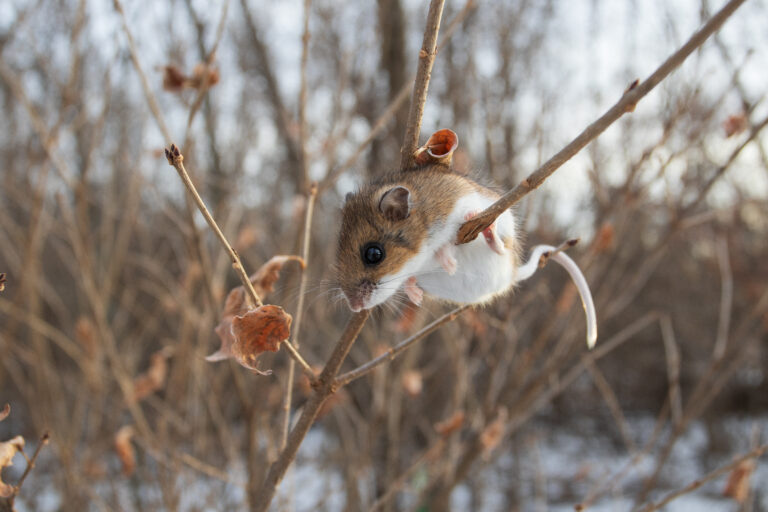
How habitat disturbance can make wild mice stressed and sick, the risk to Maryland marshes as seas rise and more from ESA’s journals.
Read More
GPS tracking reveals new pathways connecting jaguar populations—and warns some historic connections may be fading.
Read More Extraordinary images of a giant deep-sea jellyfish with a school of small fish swimming among its arms provide new information on the interaction between these species.
Rain has an outsized impact on the ecology of rivers, according to a new study led by William & Mary’s VIMS & Batten School.
In a new study, an MBARI scientist reports how a swimming sea cucumber interrupts the transport of carbon to the seafloor, highlighting the important role of marine life in the ocean’s carbon cycle.
A recently published paper in the journal Ecology has received international attention for its revelations about highly endangered African wild dogs.
New findings indicate these important underwater ecosystems respond to external pressures in surprisingly different and resilient ways.

A new study offers a tool to identify invasive snakes with the greatest influence on population growth and uses a form of AI to determine when they are most likely to be detected.

Flowers become harder to smell for bees, moths and other pollinating insects in polluted air, according to new research.
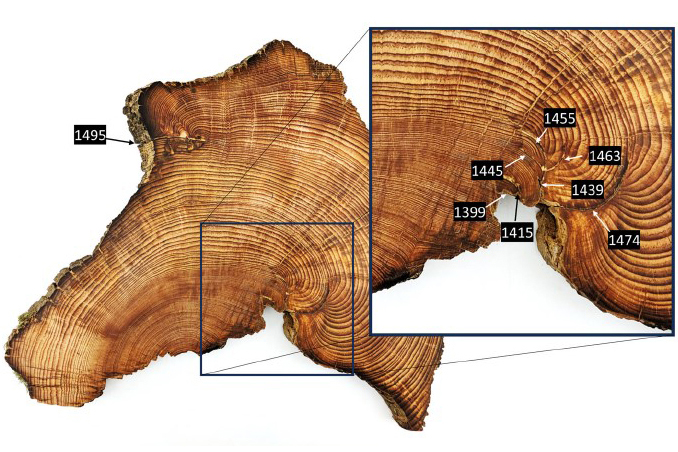
The lasting impact of historical events on New Mexico fire regimes, using sea slugs as ecological ambassadors and more from ESA’s journals.
New research finds horsehair worms manipulate nocturnal hosts at night regardless of the moon’s phase.
It is the first regional analysis of greening trends in the northern Appalachian region.
Researchers scoured museums and collections around the country to find the largest specimens and gauge the ceiling on crayfish size.
Large-scale oyster reef restoration in the Chesapeake Bay is successfully creating habitats that support larger, more diverse fish communities, according to new research.

Where giant salamanders sit in the food web, the conservation value of China’s fengshui forests and more from ESA’s journals.
Biologists find the insects cannot recover when old-growth forests are removed.
Researchers used vertically stacked infrared camera traps to monitor mammals from the forest floor to the canopy in the Democratic Republic of Congo.
A new study analyzed 16 years of bird survey data and found that bird nesting season in the Minnesota prairie isn’t quite what it used to be.
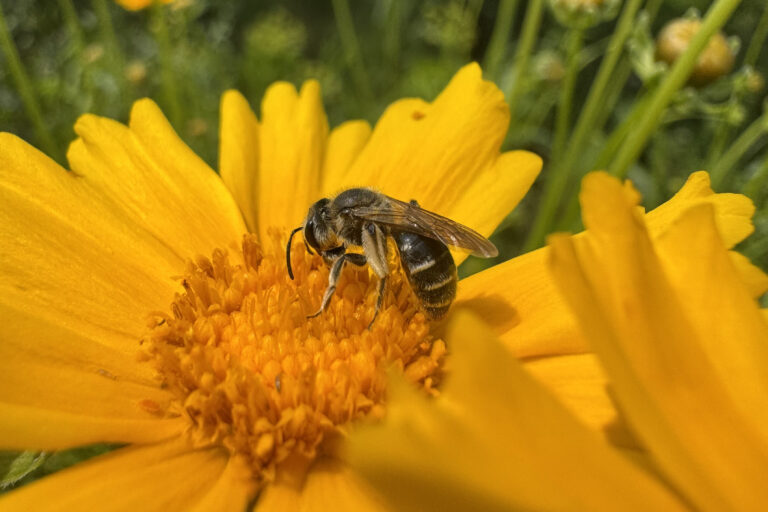
The mishmash of regulations surrounding invasive species, bee-boosting strategies for urban farms and more from ESA’s journals.