Why plant diversity is so important for bee diversity
Researchers at the Laboratory of Apiculture and Social Insects (LASI) at the University of Sussex show that honey bees and bumble bees dominate on different flower species and have found out why.
University of Nevada, Reno conducts international rivers study based on new approaches in science.
Researchers from the Michigan State University introduced the framework of metacoupling, which allows scientists to view the world as it truly is – with humans and nature interacting over space and time and without boundaries of academic disciplines.
Global circulating winds can carry bacteria, fungal spores, viruses and pollen over long distances and across national borders, but the United States is ill-prepared to confront future disease outbreaks or food-supply threats caused by airborne organisms, says a new Ecological Applications paper.
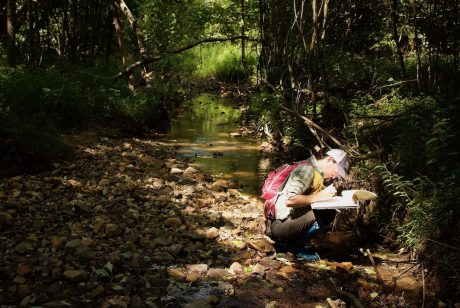
Scientists at Oregon State University have found that sampling stream water for evidence of the presence of various species using environmental DNA, known as eDNA, can be more accurate than electrofishing, without disrupting the fish.
Researchers at the University of Amsterdam found that the feeding behavior of several invertebrate animals in aquatic food webs is drastically changed by increasing inputs of nitrogen and phosphorus into surface waters.
UC Davis scientists found that the presence of recently dead trees on the landscape was a driver of wildfire severity for two large fires that occurred toward the end of the drought and documents the important role recently dead trees can play in exacerbating fire severity.
Researchers from the University of Southern Florida revealed that a monitor lizard should be regarded as an “ecosystem engineer,” a rarity for reptiles.
A UC Davis team collected post-fire recovery data to develop a unique tool to better understand where to focus forest regeneration efforts.
A new study suggests that slowing the resurgence of western corn rootworm may require a larger-scale strategy than previously thought.
With increased upward migration of species due to climate change, researchers at the Indian Institute of Science found that this migration only maintained species survival rates when moving to intact forests.
Junior and female ecology and evolutionary biology faculty are most negatively impacted by the COVID-19 pandemic, according to a study done by Purdue University and Colorado State University researchers.
Scientists who track-and-trace fish for a living claim that analysing seawater can tell us the richest story of what lies beneath the waves.
A study of the impacts of COVID-19 in an academic setting shows that female faculty, early-career researchers and those in caretaking roles have been most impacted by the pandemic.
Systems ecology-based methods from the Pacific Northwest National Laboratory (PNNL) to advance effective large-scale restoration projects.
A study published in Ecological Applications shows that seven popular fishing spots across Nebraska consistently attracted visitors from the same ZIP codes, providing key insights for natural resource managers.
A recent paper by researchers at Appalachian State University and Virginia Tech, published in the journal Ecology, shows how some small worms can influence entire stream ecosystems.
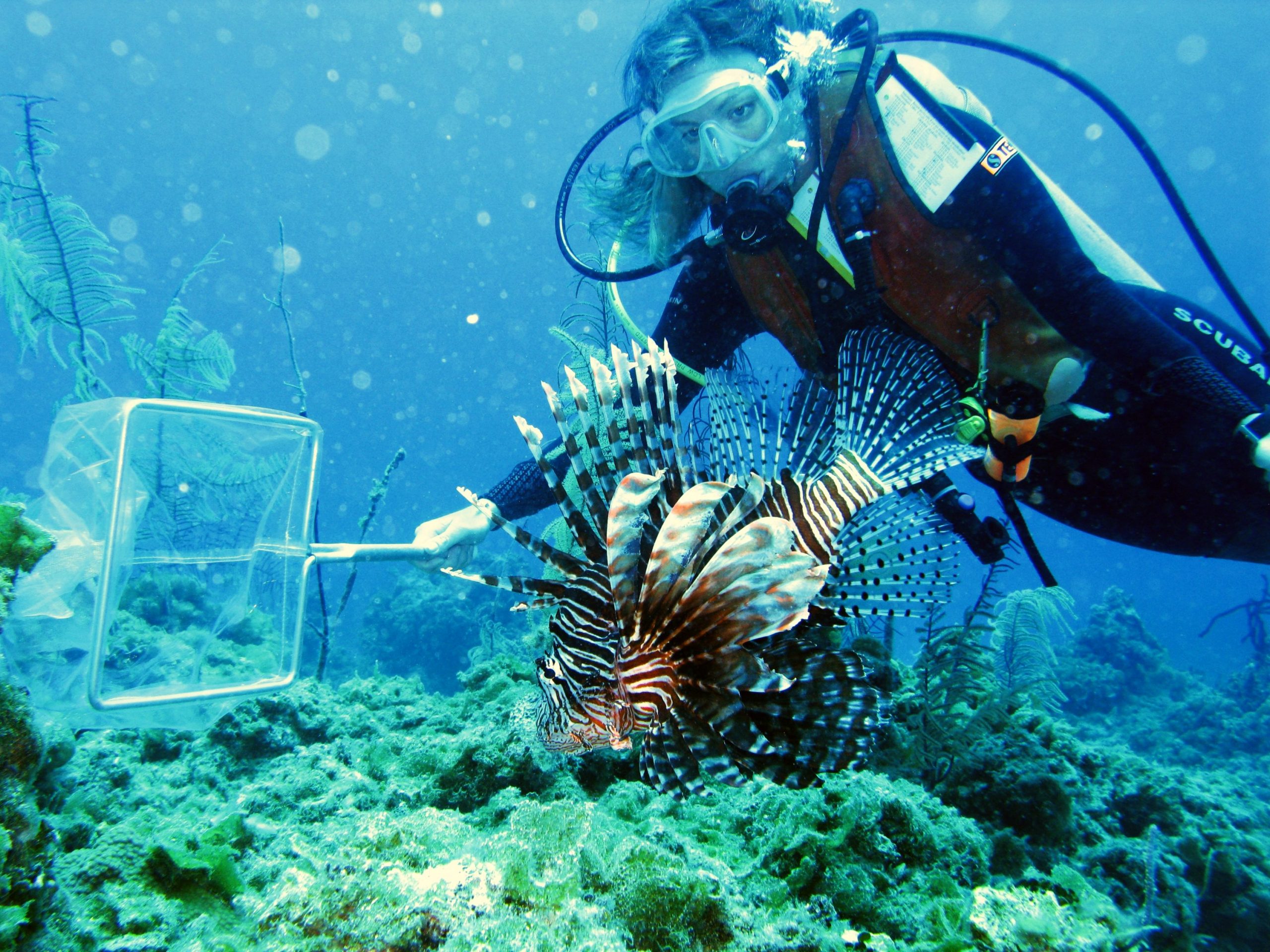
An international consortium of scientists, including University of Buffalo researchers, has created the first-ever common framework for increasing comparability of research findings on coral bleaching.
Scientists, including ones from the University of Washington, have created the first-ever framework for increasing the comparability of research findings on coral bleaching by using common language and reference points to increase collaboration and efficiency.
A study published in Ecological Monographs shows that sugar maple microbiomes change from north to south along the transition from coniferous to deciduous forest.