Rocky Mountain Chapter
The Rocky Mountain Chapter is devoted to building and expanding the collective knowledge of ecologists across the local knowledge providers, to agency ecologists, and academics of the Rocky Mountain region through shared research and education opportunities.
U.S. Fish & Wildlife Service
The Rocky Mountains include a variety of ecosystems, communities, and species across broad altitudinal, latitudinal, and climatic gradients along the backbone of the cordillera from New Mexico to northern Canada. The Rocky Mountain region delivers head waters for many significant continental river systems and provides an early warning system of climate change impacts on glacier melt, fire events, species distribution shifts. Rocky Mountain lands and waters are modified by human activities yet are needed to provide essential services to society. The interplay between mountain and plains systems moderate species migrations, human impacts on ecosystems, and determine the source-demand patterns of land and water resources across the regional domain.
The Rocky Mountain region is also home to some of the finest ecological research and training institutions in the world. Our scientists and students interact with practitioners and policy makers to jointly identify local to regional issues where ecological science can contribute to knowledge and management solutions. The focus of a revitalized Rocky Mountain Chapter will be to serve and connect ecologists across the region and to be a platform for engaging academic, tribal and local knowledge providers related to ecological issues, state and federal agency ecologists, and former agency ecologists to integrate knowledge and perspectives to sustain ecological knowledge across the region.
The benefits of the section include:
- A community of ecologists that can support each other, train next generations of scientists, and share their knowledge with the public
- A dedicated voice representing the Rocky Mountain Region and its members to the ESA Council and Governing Board
- Dues money for projects and activities that benefit members of the region as determined by the chapter members
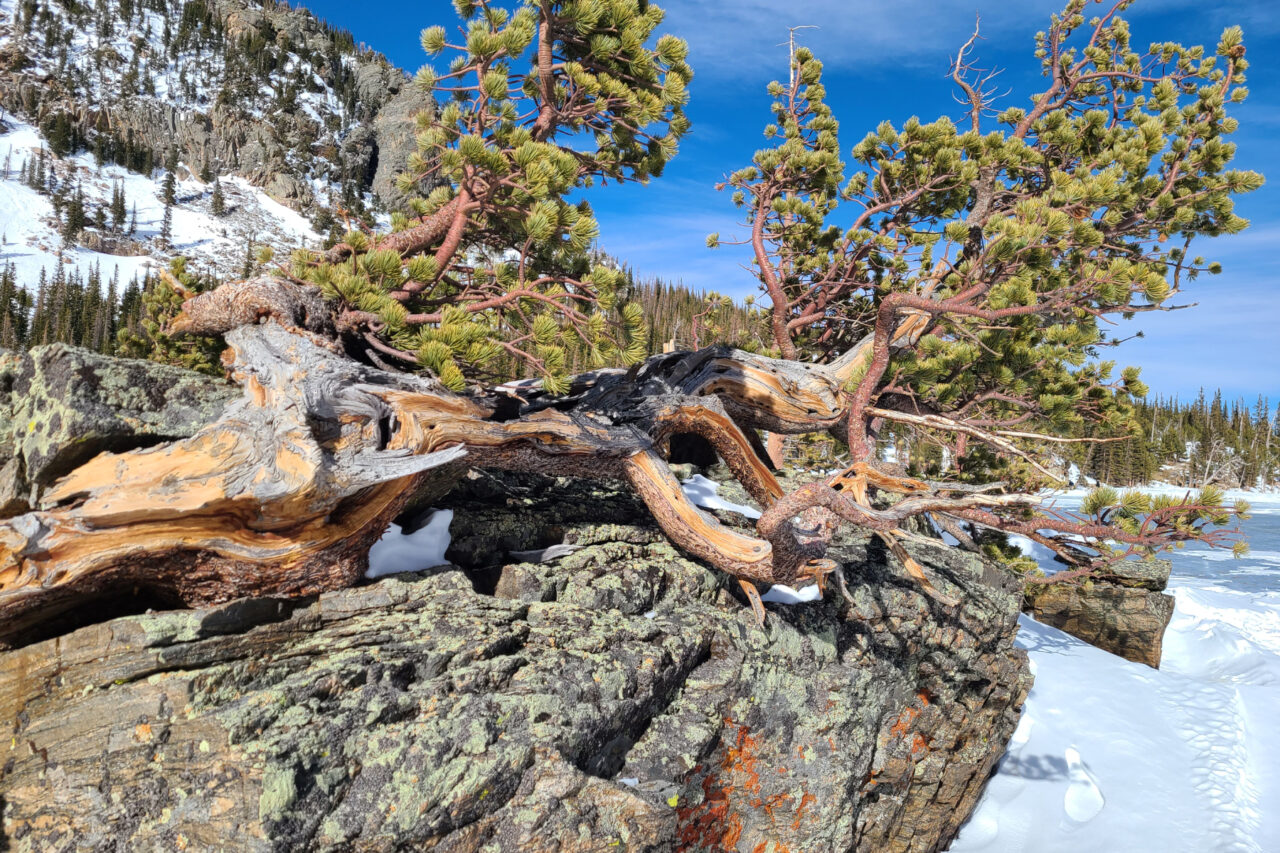
Photo credit: Jill Baron
Upcoming Meetings

U.S. Fish & Wildlife Service
February 26-27, 2026. In conjunction with the Front Range Student Ecology Symposium at Colorado State University, we will meet Friday, February 27 in the Lory Student Center. Our goals are to brainstorm Rocky Mountain Chapter activities and officers, followed by a professional development panel discussion in the region. RMC members representing industry, non-governmental organizations, state and local government, small and large colleges will introduce opportunities and skills wanted. The panel will have a Q&A session followed by one-on-one activities with students and panelists. Lunch will be served. There is no registration fee.
July 26-31, 2026. Ecological Society of America Annual Meeting, Salt Lake City. Please join us for a Special Session to plan priorities and future activities of our new Rocky Mountain Chapter.
Chapter Leadership
- Jill Baron, Colorado State University
- Ruth Hufbauer, Colorado State University
- Dennis Ojima, Colorado State University